Golden Yellow Morel Liquid Culture Syringe (10cc)
Golden Yellow Morel Liquid Culture Syringe (10cc) is backordered and will ship as soon as it is back in stock.
Couldn't load pickup availability
Description
Description
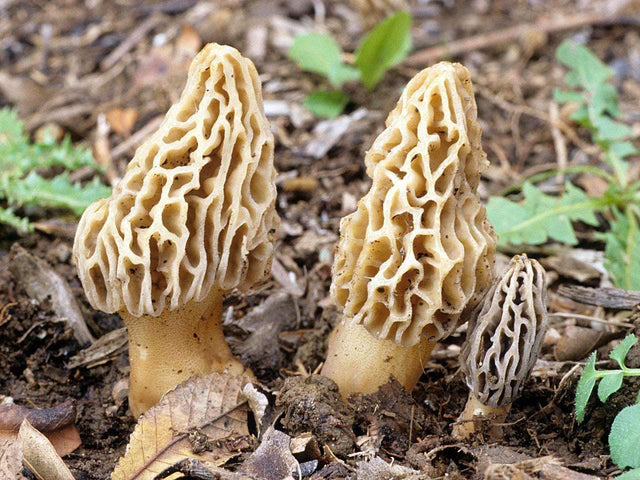
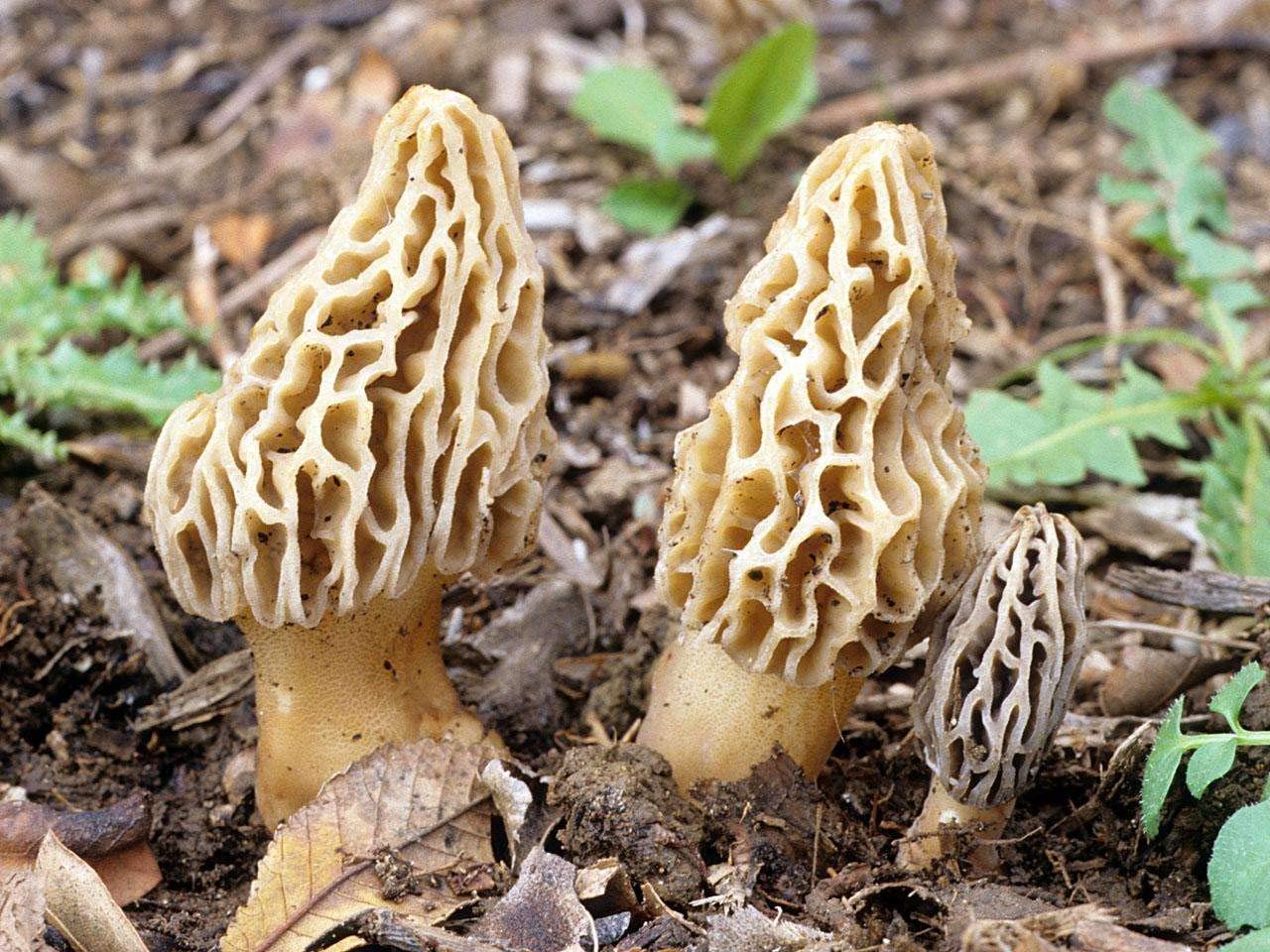
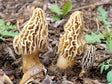
Golden Yellow Morel Liquid Culture Syringe (10cc) — Morchella elata, cloned from a vigorous local wild variety in May and isolated in our own lab. This is the most aggressive morel strain we have worked with, and because it came from a fruiting body found in our own region, it is already adapted to a cold-winter climate rather than a lab bench.
- SpeciesM. elata
- Volume10cc
- OriginLocal Wild Clone
- DifficultyExpert
- MethodOutdoor Beds
What to Expect Before You Buy
Morels are the hardest thing in this catalog to cultivate, and we would rather say so than sell you a fantasy. Indoor fruiting is unreliable even in research settings, and no supplier can promise you a flush from a syringe. What works is an outdoor habitat bed, in a climate with genuine winter, given a year or more to establish.
That said — it does work. We have established outdoor morel patches many times ourselves, working from slurries made with local wild-collected morels. It takes time and patience, and beds often sit through a full cycle before anything appears, but the method is real and we have run it repeatedly. This culture comes from that same local lineage.
What makes this strain worth choosing is where it came from. It was cloned in May from a vigorous wild fruiting body in our area and isolated in-lab for performance, so it is a regionally adapted genetic rather than a generic commercial line. If you are in a cold-winter part of the country, that adaptation is working in your favor.
What's In the Package
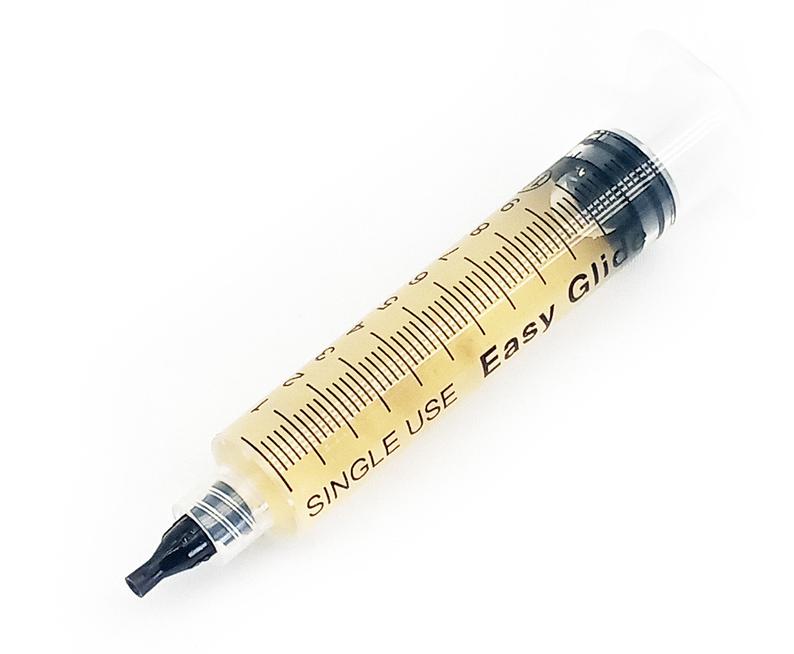
- One 10cc liquid culture syringe, sealed and lab-tested
- 16-gauge 1.5" luer lock needle
- Sterile alcohol prep pad
Golden Yellow Morel Growing Specifications
| Specification | Details |
|---|---|
| Scientific Name | Morchella elata |
| Origin | Wild clone taken in May from a local fruiting body, isolated in-lab |
| Primary Method | Outdoor habitat beds — indoor fruiting is unreliable |
| Spawn Substrates | Rye berries (preferred), milo, millet |
| Bed Substrates | Hardwood chips, coir, sawdust; wood ash optional for minerals |
| Ideal Placement | Shaded ground under oak, elm, ash or elder |
| Incubation Temperature | 60–70°F |
| Incubation Humidity | 80–85% |
| Colonization Time | 12–21 days |
| Fruiting Temperature | 55–65°F |
| Fruiting Humidity | 90–93% |
| Climate Requirement | At least 24 continuous hours of freezing temperatures |
| Planting Window | Spring for possible fall fruiting, or fall for spring |
How to Use Your Liquid Culture Syringe
- Let the syringe come to room temperature, then shake gently to redistribute the mycelium evenly through the broth.
- Flame-sterilize the needle until it glows orange and let it cool for a few seconds.
- Wipe the injection port on your rye berry spawn bag or jar with the alcohol prep pad.
- Inject 2–3cc per quart jar, or 3–5cc per 3–5 lb spawn bag. One 10cc syringe inoculates roughly 2–4 containers.
- Incubate at 60–70°F in the dark for twelve to twenty-one days until the grain is fully colonized.
- Build a shaded bed under hardwoods from wood chips, coir and sawdust, optionally with a little wood ash. Mix the spawn through, keep it moist, and let it overwinter through a hard freeze.
Frequently Asked Questions
Has anyone actually grown morels successfully this way?
Yes — we have. We have established outdoor morel patches many times using slurries from local wild-collected morels, and this culture comes from that same regional lineage. It is not fast and it is not guaranteed, but outdoor bed cultivation is a real method with real results rather than a theoretical one. Patience is the main requirement.
How is Golden Yellow Morel different from Black Morel?
Our Golden Yellow strain was cloned from a wild fruiting body found locally in May, which makes it regionally adapted rather than a generic commercial isolate, and it has been the most aggressive morel we have worked with. Black Morel is the more widely cultivated of the two and slightly more forgiving in a controlled environment. Both need outdoor beds and cold winters; both use the same technique.
Do I really need freezing temperatures?
Yes. This variety wants at least twenty-four continuous hours of freezing temperatures as part of its seasonal cycle. That hard freeze is a trigger, not an obstacle to protect the bed from. If your winters never reach freezing for a full day, your odds with any morel drop sharply regardless of how well the bed is built.
How do I build a morel bed?
Colonize rye berry spawn indoors, then pick a shaded spot under hardwoods — oak, elm, ash or elder. Build a bed of hardwood chips mixed with coir and sawdust, and add a little wood ash if you want the mineral boost. Work the spawn through, water it in thoroughly, and keep the area moist. Then leave it through the winter.
When should I plant, and when will it fruit?
Plant in spring for possible fall fruiting, or in fall for possible spring fruiting. Morels naturally appear in spring. Expect a bed to sit dormant through a full cycle before producing, and understand that outdoor beds run on weather rather than a calendar. Established patches can return for several seasons.
How much liquid culture do I use per bag or jar?
Use 2–3cc per quart grain jar and 3–5cc per 3–5 lb spawn bag. A single 10cc syringe will inoculate roughly two to four containers, which is enough spawn for a reasonable starter bed. Rye berries are the preferred grain for morel spawn.
How should I store the syringe before use?
Keep it refrigerated between 35 and 45°F and never freeze it — freezing ruptures the cell walls and kills the culture. The hard freeze this species wants happens outdoors in the bed, not in the syringe. Bring it back to room temperature and shake gently before injecting.
Packed to Arrive Alive
A liquid culture syringe is living mycelium, and the trip from our Illinois lab to your door is the part of its life you have the least control over. That is why every Myco Labs liquid culture ships inside a foil-lined insulated mailer rather than a plain envelope. The insulation buffers the syringe against summer heat sitting in a delivery truck and against sub-freezing temperatures in winter, so your culture arrives viable in either extreme.

When it arrives: move the syringe to the refrigerator at 35–45°F until you are ready to inoculate. Never freeze it. Bring it back to room temperature and shake gently before use.
Let customers speak for us
Working good. Lights my closet just enough for the environment I need! Thanks!

It's started good. Let's hope it continues to grow so I can break a shake it!

Bought the 3-Pack Premium Quick-Colonizing 5-grain Jar (32oz) and inoculated 9 days ago. Love it! Colonization quick and clean. Highly recommend!

So when i got this i was worried because of past experiences. Leave it up to midwest to be nice a patient with me. The team at bonsai gives great support . This flow hood is meant to run a little higher than normal clean room standards because most people need this working from home . This thing is nice and laminar. Very inform . With a speed contoller i average about .45 m/s across the face. It passed everyone one of my agar grid tests . Which blows my mind becuase i ran it through three diffrent 30 mins agar grid tests . Ive used a few flow hoods and this one is my favorite . Perfect for any home or small buisness.

"Upgraded to the MycoClimate 44Q and the difference in consistency is night and day. The dual-chamber water-bath heating keeps temperatures rock-solid without drying out the substrate like standard heating mats do, and the automated HEPA air pump takes all the stress out of fresh air exchange—even tucked away inside a closet.

i saw germination in my jar within 2-4 days!! I ordered a 3 pack and i injected 3 different strains and they are all colonizing and germinating very rapidly i see ne difference in rate of germination for genetics they are all moving about the same speed im happy with my purchase!

100% RELIABLE EVERY TIME I LOVE YOU MIDWEST THANL YOU TEAM

Reliable and I know what I am getting. Pretty quick colonization.

I got the grow bag instead of jars this time because I am not interested in the steps of the jars.
Been there done that.
I am not an expert🤓 but now I have enough knowledge and experience to call myself an apprentice.
The thrill of the process is gone. Just give me the dam mushrooms.
I am hurry up and waiting😉.
Seems to be working is all I have to say at this point day 7. The green is reflection not mold.
All I knew was I wanted to grow some mushies for me and the boys, I did a bunch of research on companies and you guys have been around the longest and have the best reviews for these types and I was not disappointed. Took exactly 8 weeks to harvest my first 4 ounces and more on the way! Thanks so much for all the awesome guides and videos! Made it so easy!

It's a great monotub kit. I recommend throwing the horse booster, used the whole bag to 4 small quick grain jars and the 7.5 mix. I learned how to do a pf tek with these guys 10 years ago when you still got the sticky light for the lid and the monotub was a blue tub with polyfill. These monotub kits have come a very long way since then. Substrate has always been clean and performed better than what I try to recreate with a pressure cooker.
10cc liquid culture and follow the instructions mgk gives you hard to mess up.
So far , I only have a little bit on agar , and am only beginning to study this mycelium. Super excited to try to put it to use in this Aspen tree.

Everything is looking real good so far
If your ever in need of replacing your hepa filter on your bonsai flowhood these are an exact match to whichever size you have. Worth noting that a filter will actually work a lot longer than is recommended due to physics but if your externals get dirty or damaged it’s worth replacing.
Shipping was lightning fast