


 $7.00 off
 $6.00 off


 $7.00 off
 $15.00 off
 $3.00 off
 $4.00 off
-
 $5.00 off

-


-
-
 $2.00 off
-
$4.00 off
-
 $8.00 off
 -
 Sold out





Dialing In Humidity and Temperature for Every Stage
Mushrooms are mostly water, and they are grown in a narrow window of conditions. Get humidity and temperature right and the mushrooms almost grow themselves. Get them wrong and you get aborts, dried-out pins, contamination, or nothing at all. The catch is that the right numbers change depending on which stage you are in — so this collection is organized around the two phases where they matter most.
Fruiting: The High-Humidity Stage
This is where humidity does the heavy lifting. Once your substrate is colonized and you are trying to grow actual mushrooms, most species want 85–95% relative humidity paired with fresh air. Too dry and pins abort or cap edges crack; too wet with no airflow and you invite bacterial blotch. The goal is high humidity and air exchange at the same time, which is the balance every tool below is trying to strike.
Active humidifiers — for enclosed chambers and greenhouses
These generate humidity on demand and are the backbone of a serious fruiting setup.
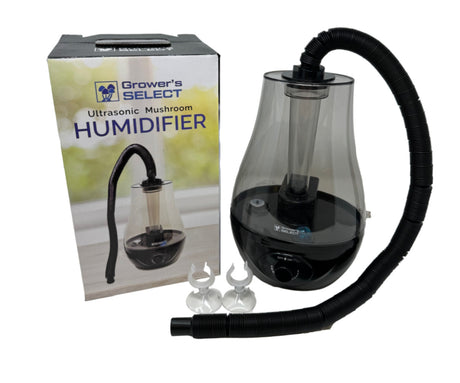
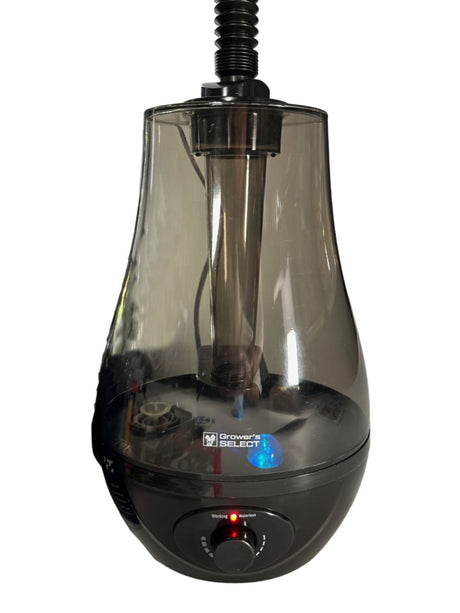
- Hydroponic Humidifier System with HEPA air hoses — our most popular humidity solution, and for good reason. It pushes filtered humid air directly into your chamber, so you raise humidity without pulling in airborne contaminants. This is the one to pair with a monotub or a shotgun fruiting chamber.
- Mushroom Monsoon Greenhouse Humidifier (3.0L) — larger reservoir for bigger enclosures and greenhouse tents, so you refill less often during a fruiting cycle.
- Portable Humidity Tent — the low-cost way to create a humid microclimate for a single fruiting block or a few gourmet bags without dedicating a whole chamber.
Running a humidifier in a sealed space? Pair it with a filter disk or the HEPA hoses so you get air exchange without contamination.
Passive humidity — perlite and misting
Not every grow needs a powered humidifier. For PF Tek cakes, small tubs, and beginners, passive methods are cheaper and nearly foolproof.
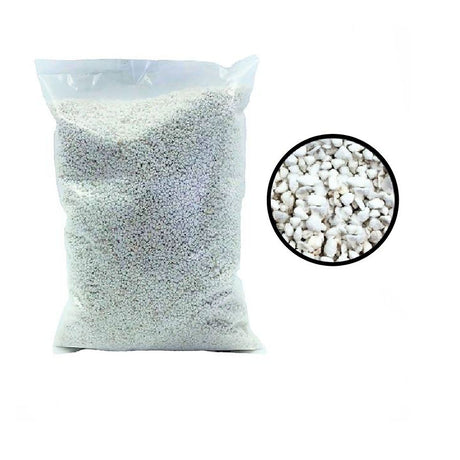
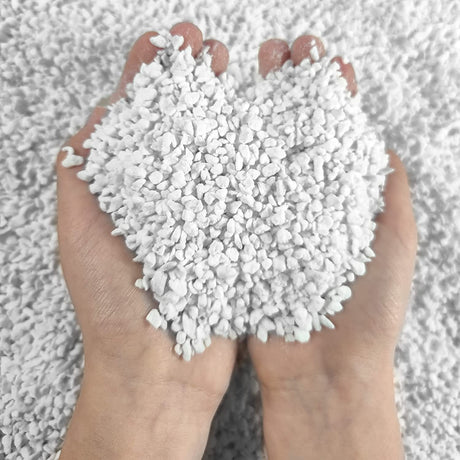
- Perlite — the classic. Hydrated perlite in the base of a chamber releases moisture slowly and steadily, holding humidity with zero electricity. A staple for shotgun fruiting chambers and monotubs alike.
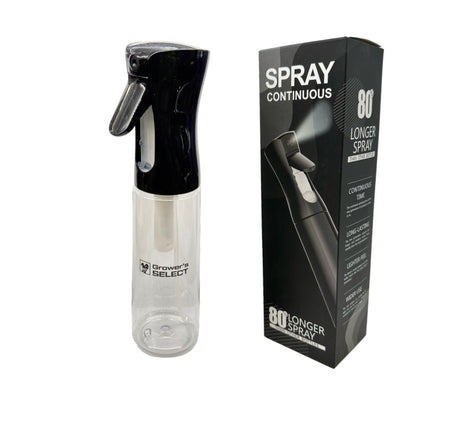
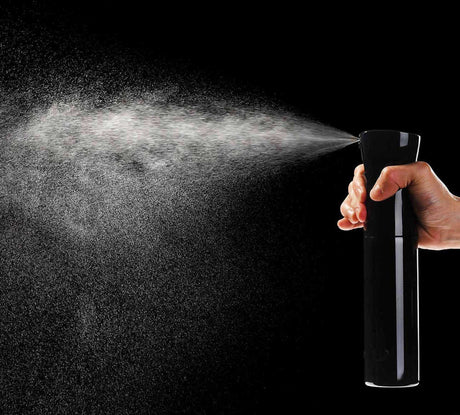
- Ultra-fine atomizing misters (12oz manual and 8oz rechargeable) — the fine mist coats surfaces without soaking them, which matters because heavy water droplets sitting on pins cause aborts and bacterial spots. The rechargeable power mister does the same job hands-free.
Automating humidity
Once you are running a humidifier, a controller turns it from a manual chore into a set-and-forget system.
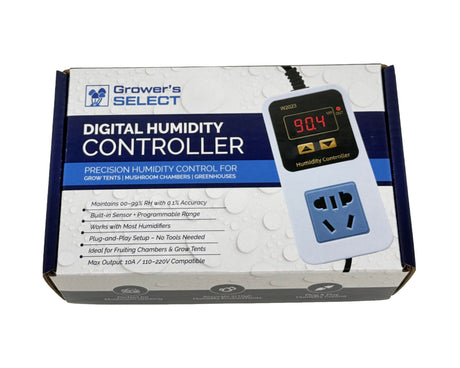
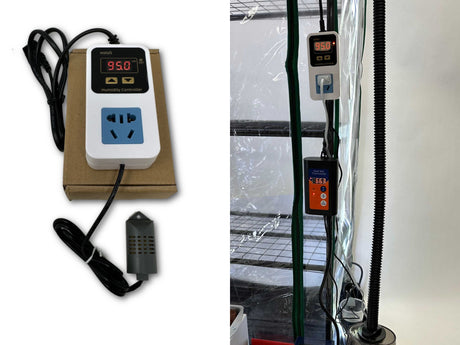
- Digital Humidity Controller — plug your humidifier into it, set a target, and it cycles the humidifier to hold that level automatically. The single biggest quality-of-life upgrade for anyone fruiting in a chamber.
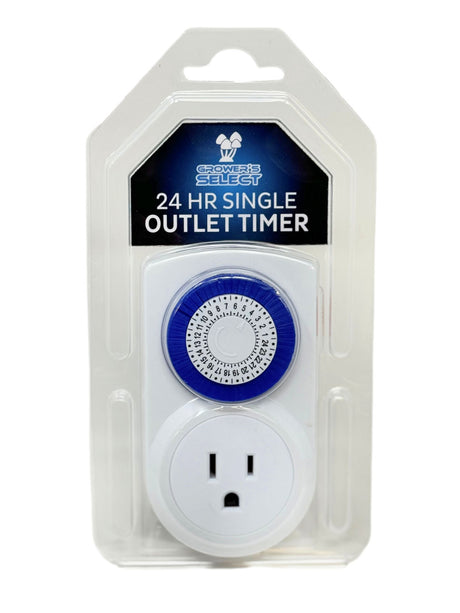
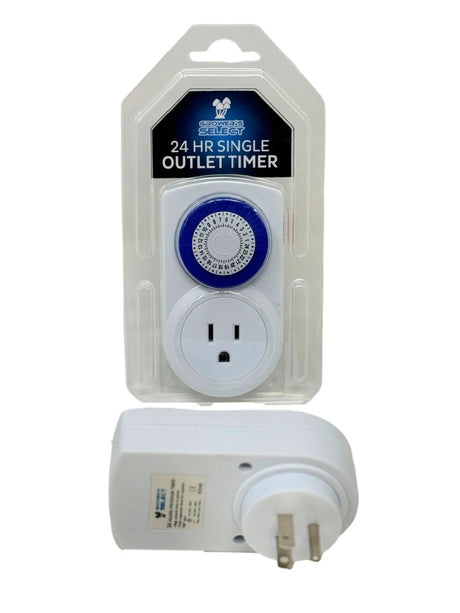
- 24-Hour Timer (48 cycles/day) — the budget approach. Instead of sensing humidity, it runs your humidifier or fan on a fixed schedule — e.g. a 15-minute burst every few hours. Less precise than a controller, but proven and inexpensive.
Incubation: The Temperature Stage
Before fruiting, your grain or substrate needs to colonize — and colonization is a temperature game, not a humidity one. Sealed jars and bags hold their own moisture, so what mycelium wants during this phase is steady warmth, typically 75–80°F for most species. Colonize faster and cleaner by holding that range, especially in a cold basement or garage.
Adding heat
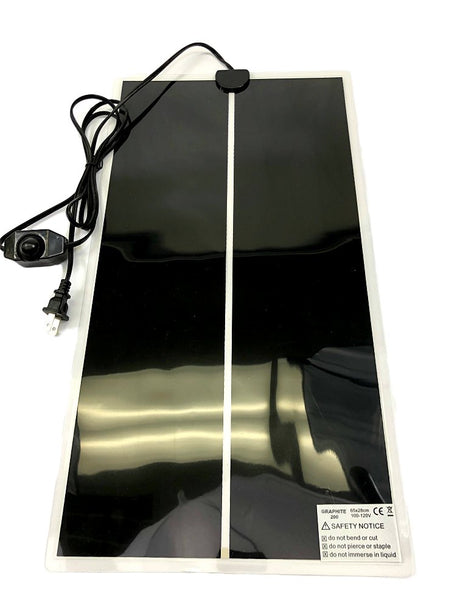
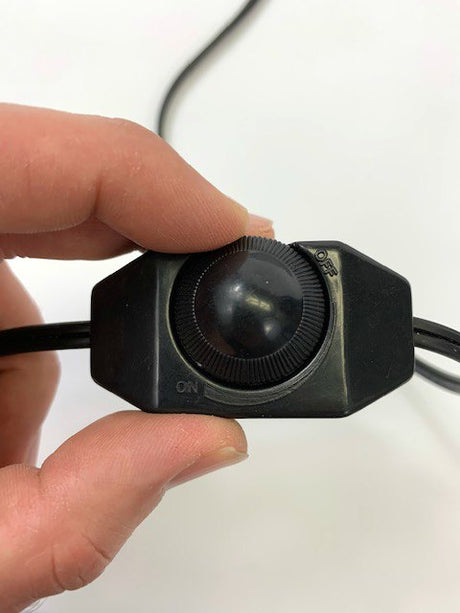
- Liquid Graphite Heating Mat — our best-selling temperature product (80+ reviews). Sits under jars or bags and provides gentle, even bottom heat to keep colonization in the ideal range. The go-to for incubating spawn.
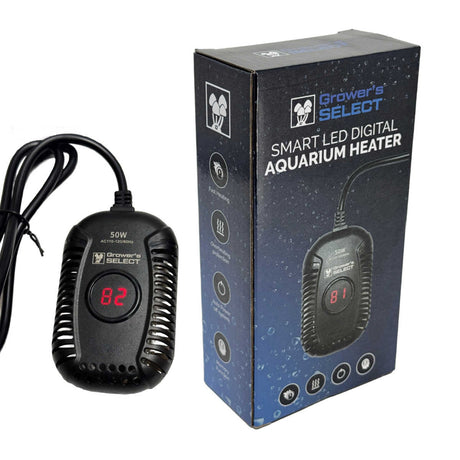
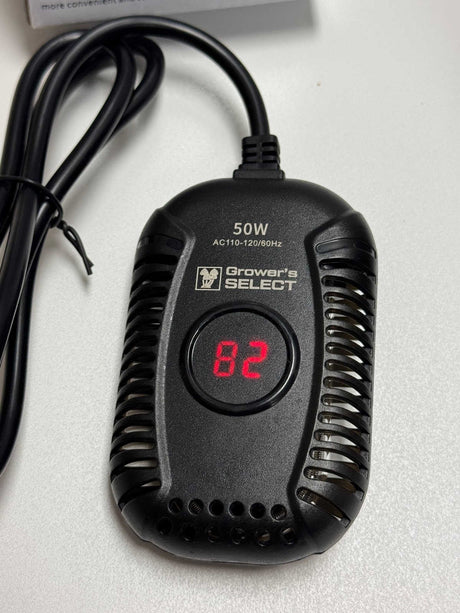
- Smart LED Digital Aquarium Heater — for water-bath heating setups like our Ultimate Kit, where a submerged heater warms the chamber from below. Precise digital temperature setting.
Controlling heat precisely
- 1000W Digital Temperature Controller / Thermostat — plug a heat source in and it holds an exact temperature, cutting power when the target is reached and resuming when it drops. Essential for anyone incubating in an unheated space where ambient swings through the day.
Measuring: You Can't Control What You Don't Monitor
Every setting above depends on knowing your actual numbers. Guessing is how grows fail. These are the instruments — and they are cheap insurance against a lost harvest.
| Monitor | Measures | Best for |
|---|---|---|
| Wireless Smart Thermometer/Hygrometer (app) | Temp + humidity, phone alerts | Checking conditions remotely; getting alerted before a problem becomes a loss |
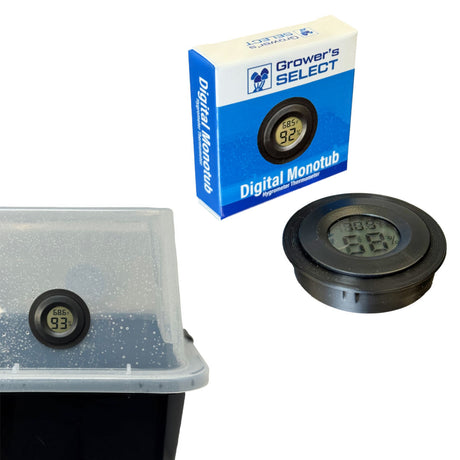
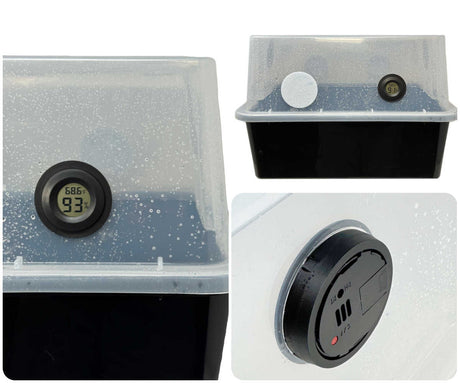
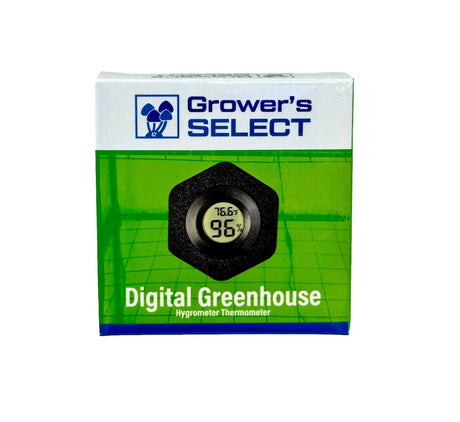
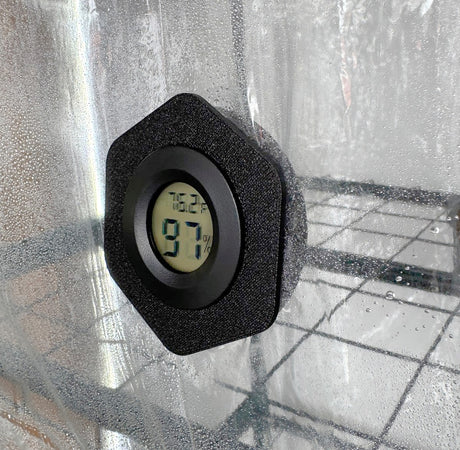
| Custom Monotub Hygrometer/Thermometer | Temp + humidity | Mounts cleanly in a monotub wall; our purpose-built option |
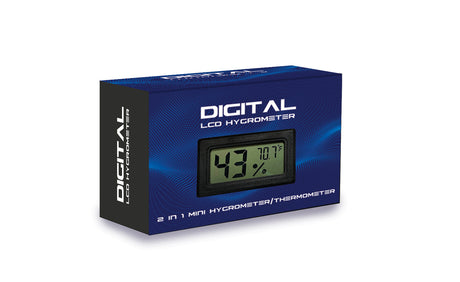
| Mini Digital Hygrometer/Thermometer | Temp + humidity | Simple, low-cost readout for any chamber |
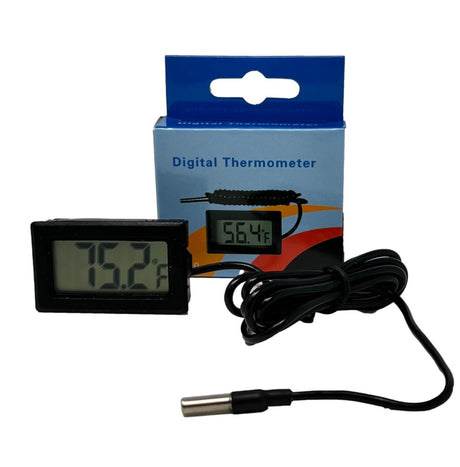
| Mini Thermometer with 36" probe | Temperature (remote probe) | Reading temp inside a sealed chamber or water bath without opening it |
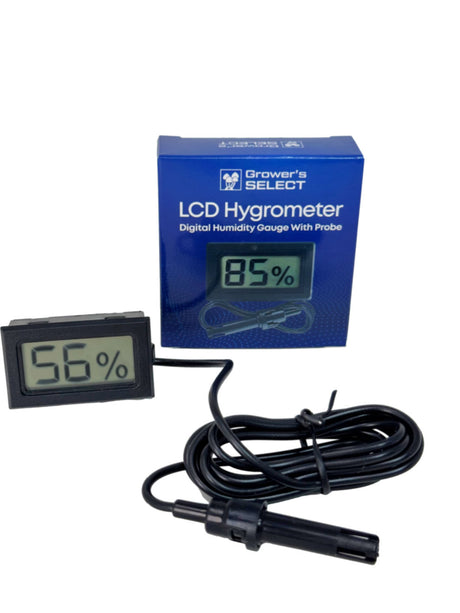
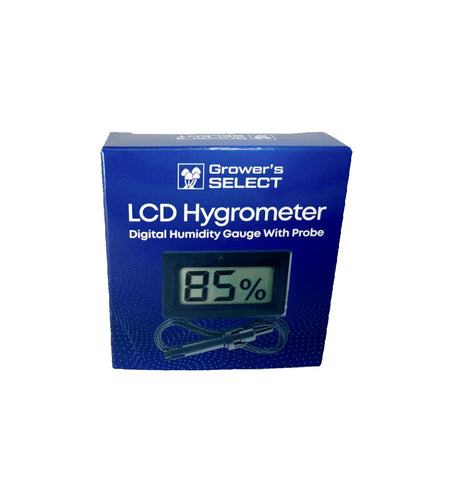
| Mini Hygrometer with 36" wired probe | Humidity (remote probe) | Reading humidity deep inside a chamber from outside |
What should I buy first?
Start with a monitor — you cannot fix what you cannot see. From there it depends on your stage. If you are fruiting and your pins keep drying out or aborting, a hydroponic humidifier (plus a controller to automate it) solves the most common problem. If your grains are colonizing slowly in a cold space, a heating mat is the fix. Most growers end up owning one tool from each stage.
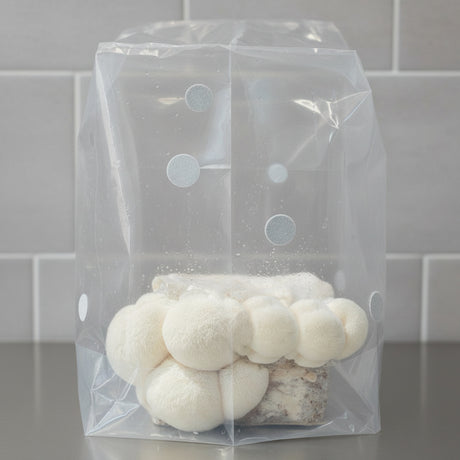
Not sure what your species wants? Targets vary — oysters tolerate a wide range, while lion's mane and tropical species are fussier about humidity and fresh air. Our grow kits come dialed in for their species, and our growing guides cover troubleshooting when conditions drift.
Frequently Asked Questions
What humidity do mushrooms need to fruit?
Most cultivated mushrooms fruit best at 85–95% relative humidity, paired with fresh air exchange. The exact target varies by species — oyster mushrooms are forgiving across a wide band, while lion's mane and many tropical species want the high end and are less tolerant of dry spells. The common mistake is chasing high humidity while neglecting airflow, which invites bacterial blotch. You want humid and fresh air at the same time, not one at the expense of the other.
What temperature should I keep my mushrooms at?
It depends on the stage. During colonization/incubation, most species want steady warmth around 75–80°F to colonize quickly and cleanly. During fruiting, many species prefer slightly cooler temperatures, and some (like certain oysters) are triggered to fruit by a drop in temperature. Because sealed jars and bags hold their own moisture, the incubation phase is almost entirely about temperature rather than humidity.
Do I need a humidifier, or is perlite enough?
It depends on scale. Perlite and misting hold humidity well in small, enclosed spaces — PF Tek cakes, shotgun fruiting chambers, small monotubs — and cost almost nothing. An active humidifier becomes worth it for larger chambers, greenhouse tents, species that demand consistently high humidity, or when you want to automate the whole thing with a controller. Many growers start with perlite and add a humidifier when they scale up.
What's the difference between a humidity controller and a timer?
A humidity controller senses the actual humidity and switches your humidifier on and off to hold a target level — precise and responsive. A timer runs your humidifier on a fixed schedule regardless of the real reading — cheaper, but it does not react to conditions. A controller is the better tool if your humidity fluctuates; a timer is a proven budget option for stable setups or for cycling a fan for fresh air exchange.
Why do my mushrooms keep drying out or aborting?
Almost always humidity that is too low or too unstable. Pins are extremely sensitive to drying — a few hours of low humidity can abort a whole flush. The fixes, in order: confirm the problem with a hygrometer, add consistent humidity with a humidifier or hydrated perlite, and automate it with a controller so it never dips while you are away. Avoid misting pins directly with large droplets, which causes its own problems.
How do I raise humidity without causing contamination?
Pair humidity with clean air exchange. Our hydroponic humidifier with HEPA air hoses pushes filtered humid air into the chamber, so you are not drawing in airborne contaminants along with the moisture. Stagnant, warm, wet air with no filtration is what breeds bacterial blotch and mold — the solution is filtered airflow, not less humidity. A filter disk on your chamber serves the same purpose.
Can I use one device for both temperature and humidity?
For monitoring, yes — several combo hygrometer/thermometers read both at once, including our wireless app-connected model. For control, they are usually separate: a temperature controller drives a heat source, and a humidity controller drives a humidifier, because the two jobs happen in different phases and need independent set points. Monitor with one combo device; control each variable with its own dedicated unit.
What do I need for a monotub specifically?
A monotub is a fruiting chamber, so humidity leads. Most monotub growers run hydrated perlite in the base and/or a hydroponic humidifier, monitor with a mounted hygrometer/thermometer (our Custom Monotub model is built for this), and use filter disks for passive fresh air exchange. If your room runs cold, add a heating mat during colonization before the tub goes to fruiting. See our full monotub grow kits for complete setups.