

Choosing the Right Bulk Grain for Your Workflow
Each grain in our bulk lineup has a different role in mushroom cultivation. Some growers stick to a single grain; others blend grains to combine the strengths of each. Here is what each one brings to the table.
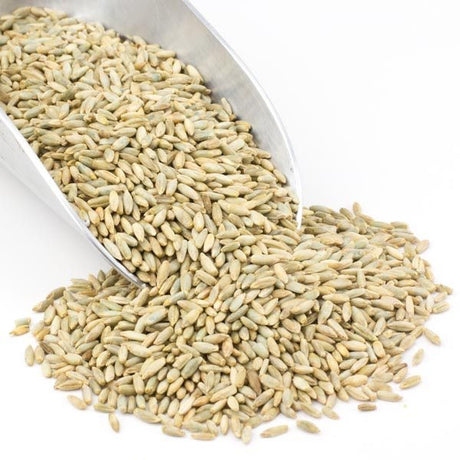
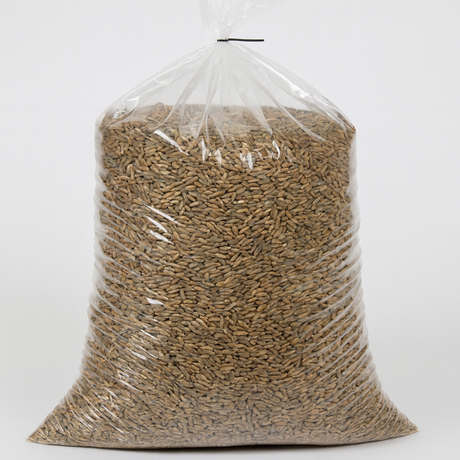
Organic Rye Berries (Top Seller)
USDA certified organic rye berries. The classic mushroom grain that has been the gold standard for decades. Dense, nutritious, and supports strong vigorous colonization. Rye is the right choice for single-grain workflows, traditional cultivation methods, and any grower who needs USDA Organic certification on their final fruiting bodies.
Available in 40 lb bags or full pallets.
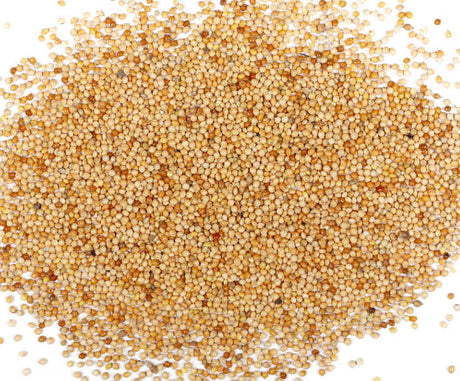
White Millet (Top Seller)
Grown organically, sourced before wet cleaning. Tiny grains with high surface-area-to-volume ratio, which translates to faster colonization. White millet is the secret ingredient in most modern multi-grain blends — it fills the gaps between larger grains and dramatically increases the number of inoculation points available to mycelium.
Available in 40 lb bags or full pallets.
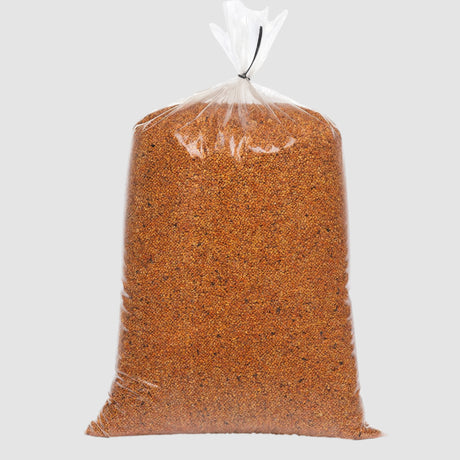
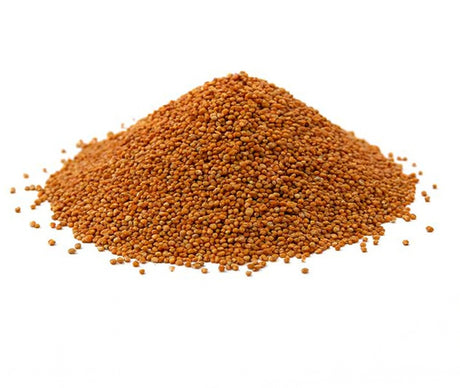
Red Millet
Grown organically, sourced before wet cleaning. Similar colonization properties to white millet but with a slightly different nutrient profile. Often paired with white millet in multi-grain blends to give mycelium a broader spectrum of nutrition.
Available in 20 lb bags or full pallets.
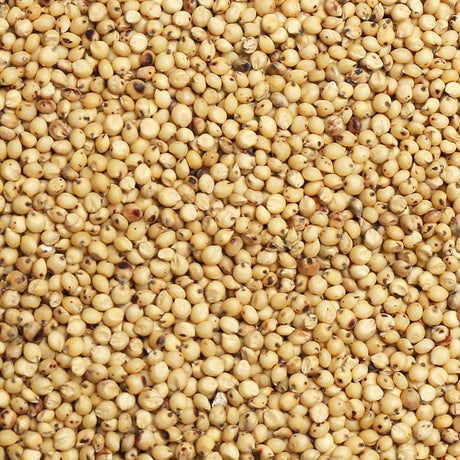
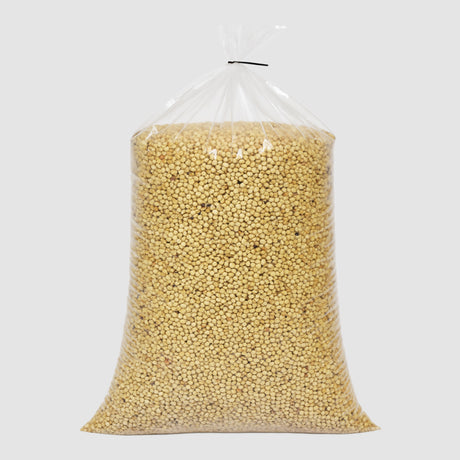
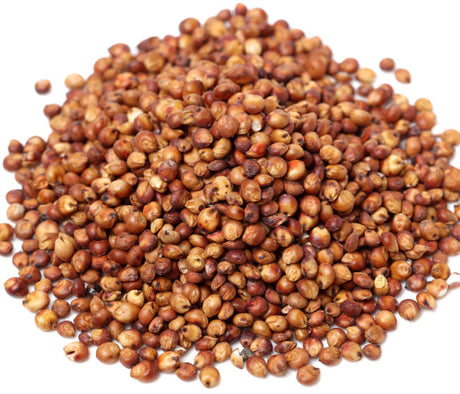
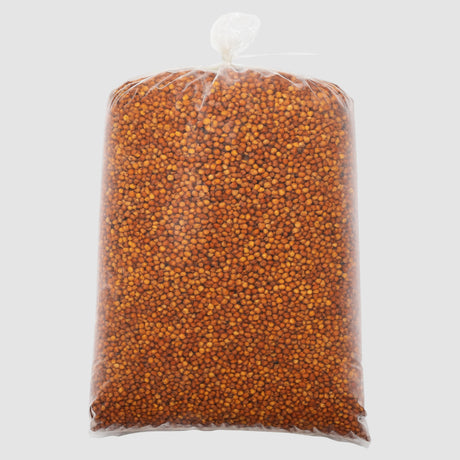
Red Milo (Red Sorghum)
Non-GMO, triple cleaned. Small, hard, and fast-colonizing — milo strikes a balance between the dense nutrition of rye and the high surface area of millet. The triple-cleaned spec means significantly less dust and debris than typical bulk milo, which translates to cleaner sterilization and lower contamination rates.
Available in 40 lb bags or full pallets.
White Milo (White Sorghum)
Non-GMO, triple cleaned. Same hard, fast-colonizing profile as red milo with a slightly different micronutrient mix. Many growers use both red and white milo together for broader nutrient diversity in multi-grain blends.
Available in 40 lb bags or full pallets.
How each grain compares
- Rye — Largest grain, densest nutrition, slowest to colonize but vigorous. Single-grain standard.
- Milo (red and white) — Mid-sized, hard, fast colonization. Triple cleaned in our lineup for low debris.
- Millet (red and white) — Smallest, highest surface area, fastest colonization. Excellent gap-filler in blends.
Building a multi-grain blend
The most popular multi-grain blend in modern cultivation combines all five grains we carry: rye, white milo, red milo, white millet, and red millet. The principle is simple — different grain sizes create more total surface area than any single grain, which speeds up colonization. Smaller grains fill the gaps between larger ones and break apart easily during the spawn-shake, distributing mycelium throughout the substrate.
This is the same formulation we use in our Premium 5-Grain Spawn Bags and 5-Grain Spawn Jars. If you want to skip the sterilization step entirely, buying our pre-sterilized bags is often more economical than buying bulk grain plus the bags, filter patches, and pressure cooker time required to do it yourself.
Sizing: 40 lb bag vs. pallet
Most growers running medium-volume operations buy 40 lb bags (or 20 lb for the red millet). A 40 lb bag of dry grain yields roughly 60 to 70 lbs of hydrated grain ready for sterilization, depending on absorption rate by grain type.
For commercial operations, full pallets bring the per-pound cost down significantly. Contact us directly for pallet pricing and lead times if the public pricing doesn't reflect what you need.
Why our grain is sourced for cultivation
Most bulk grain sold in the United States is destined for livestock feed, which means dust, foreign material, broken kernels, and inconsistent quality are all acceptable in the supply chain. We source from suppliers who clean and grade their grain to a higher standard because we are using it for mushroom cultivation, where every contaminant in the bag is a potential failure point during sterilization.
- Organic Rye: USDA certified organic, chain-of-custody preserved through to our facility.
- Milo (red and white): Non-GMO, triple cleaned to remove dust, chaff, and broken kernels.
- Millet (red and white): Grown organically, sourced before wet cleaning — meaning the grain is grown to organic standards but does not carry USDA Organic certification through to our packaging.
Frequently Asked Questions About Bulk Dry Grain
What is the difference between your Organic Rye Berries and the millet?
The Organic Rye Berries are USDA certified organic with chain-of-custody preserved through our facility, meaning the grain can carry that certification through to the final mushroom you grow. Our millet is grown organically but sourced before wet cleaning, which means it does not carry USDA Organic certification on the finished bag. For commercial growers who need organic certification on their fruiting bodies, use the Organic Rye. For growers who just want quality grain at a fair price, the millet works the same way in cultivation.
What does "triple cleaned" mean for the milo?
Triple cleaning is a multi-pass grading process that removes dust, broken kernels, foreign material, and lightweight debris from bulk grain. Standard bulk milo is sold for livestock feed, where this debris is acceptable. Triple cleaning produces a grain consistent enough for mushroom cultivation, where any contaminant in the bag is a potential failure point during sterilization.
How much hydrated grain do I get from 40 lbs of dry grain?
Roughly 60 to 70 lbs of hydrated, ready-to-sterilize grain from a 40 lb dry bag, depending on the grain type and how long you hydrate. Rye absorbs slightly less water by weight than millet or milo. Plan your batch sizes around the hydrated weight, not the dry weight.
Why do I need cultivation-grade grain instead of just buying livestock feed grain?
Livestock feed grain is graded for nutrition, not cleanliness. It typically contains dust, chaff, broken kernels, and foreign material that all create contamination risk during mushroom cultivation. Cultivation-grade grain is cleaned to a higher standard, which translates to fewer contamination failures, more consistent hydration, and reliable colonization.
What's the best grain for a single-grain workflow?
Rye is the classic single-grain standard and what most experienced growers run if they're not blending. It is dense, nutritious, and supports strong colonization across a wide range of mushroom species. For commercial growers who need USDA Organic certification on their fruiting bodies, our Organic Rye Berries are the right choice.
What's in the popular 5-grain blend?
The most popular multi-grain blend combines rye, white milo, red milo, white millet, and red millet. The mix of grain sizes creates more total surface area than any single grain, which speeds up colonization. This is the same formulation we use in our Premium 5-Grain Spawn Bags and 5-Grain Spawn Jars.
Is it actually cheaper to buy bulk grain and sterilize it myself?
Sometimes yes, sometimes no. Bulk grain has a much lower per-pound cost than pre-sterilized bags, but you have to factor in the bags themselves, filter patches, pressure cooker time, electricity, and your time. For occasional grows, pre-sterilized bags are usually more economical. For high-volume cultivation (multiple bags per week or a commercial operation), bulk grain plus your own sterilization workflow is significantly cheaper.
Do you sell smaller quantities than 40 lbs?
The 40 lb bag is the smallest bulk size we offer for most grains. For smaller quantities, our pre-sterilized spawn bags and grain spawn jars are sized for typical home cultivation workflows and skip the sterilization step entirely.
Can I get a discount on full pallets?
Yes. Pallet pricing is significantly lower per pound than 40 lb bag pricing. If the public pallet pricing doesn't reflect what you need, contact us directly for commercial pricing and lead times.
How should I store bulk dry grain?
Keep bulk grain sealed in its original packaging or in airtight food-grade containers, stored in a cool dry place. Dry grain has an extremely long shelf life when properly stored (multiple years), but exposure to moisture or pests will shorten that dramatically. Many commercial growers transfer to sealed buckets with gamma-seal lids for long-term storage.