


 $3.00 off
 $6.00 off
 $4.00 off

Do Mushrooms Need Light to Grow?
Yes — just not the way plants do. Mycelium colonizes perfectly well in the dark, and light plays no role in feeding the mushroom. What light provides is information. For most cultivated species, the shift from dark to a regular light cycle is one of the triggers that says conditions have changed — start fruiting. Once pins form, light also gives them a direction to grow toward, which is why mushrooms grown in the dark come out pale, leggy, and stretched with small caps.
That changes what you should shop for. You don’t need the high-output horticultural fixtures sold for growing plants — those cost more, run hot, and can dry out your fruiting chamber. A modest, consistent LED grow light for mushrooms on a timer does the job better.
Choosing a Mushroom Grow Light
| Light | Best for | Why growers pick it |
|---|---|---|
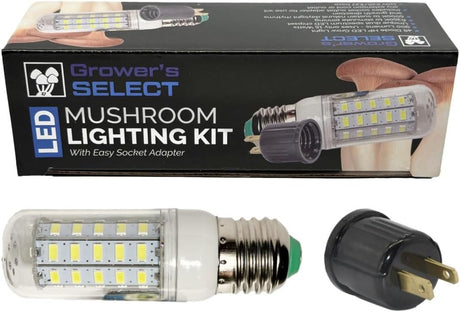
| Mushroom Lighting Kit | A single monotub or fruiting chamber | Everything you need in one package — the simplest way to light a first grow |
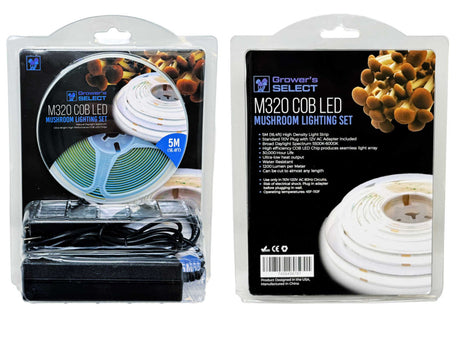
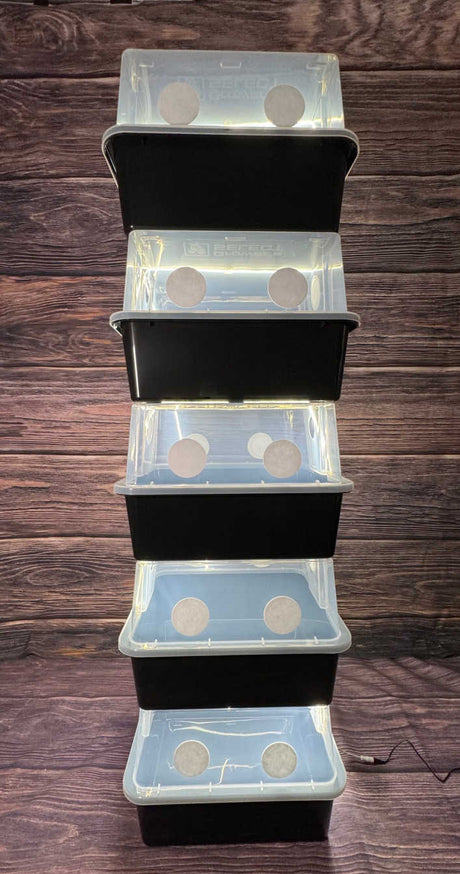
| COB LED Strip Light (16.4 ft) | Shelves, racks, greenhouses, multiple tubs | One continuous run lights several levels evenly; cut-to-fit flexibility |
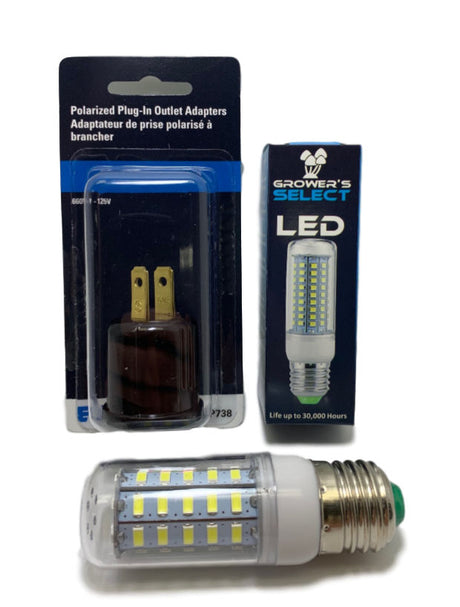
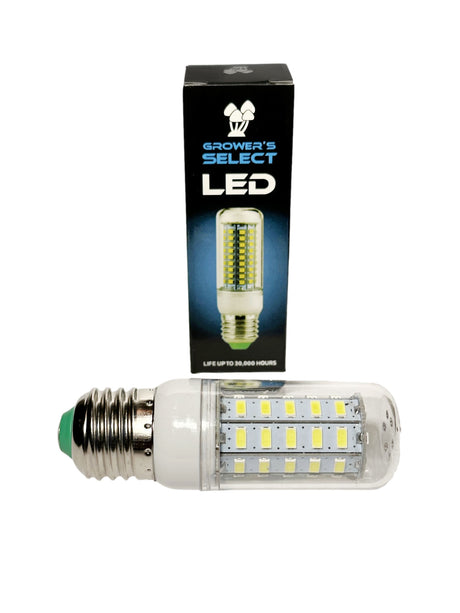
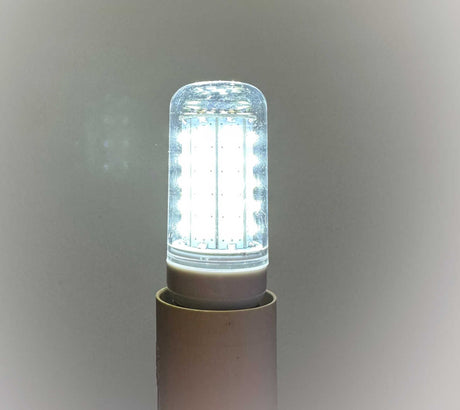
| Grower’s Select LED Bulb | Existing lamps and fixtures | Screw it into what you already own — the lowest-cost way to add light |
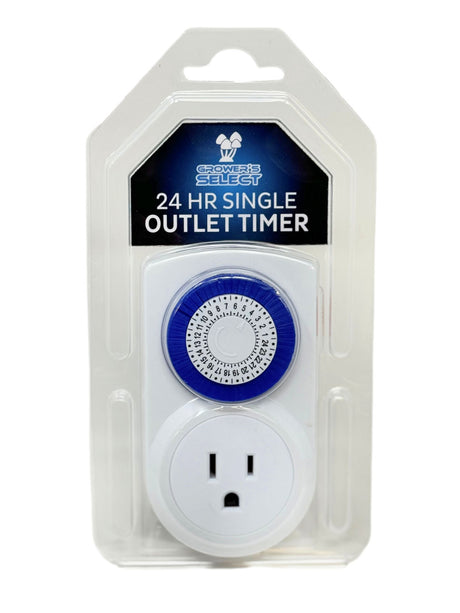
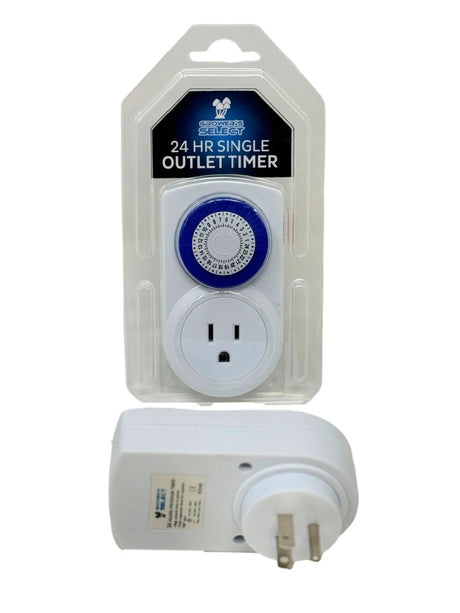
| 24-Hour Heavy Duty Timer | Any setup | Runs your light cycle automatically so conditions stay consistent day to day |
Getting Your Lighting Right
- Keep it indirect. Light shouldn’t beam straight down onto the substrate surface — ambient light reaching the chamber is enough, and direct light dries out the casing layer.
- Use a timer. Consistency matters far more than intensity. A 24-hour timer removes the one variable people forget.
- Watch for stretching. Long, thin stems with small caps that lean toward one spot mean not enough light, or light coming from only one direction.
- Mind the heat. LEDs run cool, which is exactly why they suit fruiting chambers — high-wattage plant lights can raise chamber temps and pull down humidity.
Explore Related Supplies
- Humidity & Temperature
- All Growing Supplies
- Monotubs & Accessories
- Greenhouse Systems
- Monotub Grow Kits
- All-In-One Grow Bags
Mushroom Lighting FAQ
Do mushrooms need light to grow?
Mushrooms don’t use light for energy the way plants do, but most cultivated species do need it as a trigger. A regular light cycle helps signal the mycelium to begin fruiting, and gives developing mushrooms a direction to grow toward so they form proper caps instead of stretching.
How many hours of light do mushrooms need per day?
Around 12 hours on and 12 hours off works well for most species, and consistency matters more than the exact number. A 24-hour timer is the easiest way to keep the cycle identical every day without thinking about it.
What kind of grow light is best for mushrooms?
A low-wattage LED. Mushrooms need modest, indirect light rather than the high-output fixtures sold for plants — and LEDs run cool, so they won’t heat your fruiting chamber or dry out the surface. Choose the form factor that fits: a kit for one tub, a strip light for shelves, or a bulb for an existing fixture.
Can I use a regular LED bulb or plant grow light for mushrooms?
A regular LED bulb can work, since the goal is just a consistent light signal. Full-strength plant grow lights are usually overkill — they cost more, run hotter, and can lower humidity in a fruiting chamber. A dedicated LED mushroom light is simpler and better matched to the job.
Can mushrooms grow in complete darkness?
Mycelium colonizes fine in the dark — that stage doesn’t need light at all. But fruiting in total darkness typically gives poor results for most cultivated species: pale, elongated stems with undersized caps. Adding light at the fruiting stage is what fixes that.
Why are my mushrooms long, thin, and stretching?
Leggy stems with small caps usually mean too little light, light from only one direction, or not enough fresh air exchange. Add a consistent light cycle from above and check your FAE — the two issues often show up together.