


 $2.00 off
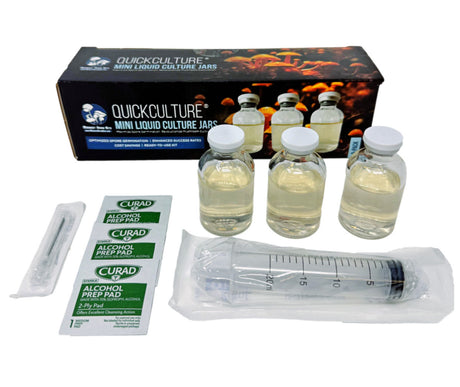
QuickCulture Mini Spore Germinating Liquid Culture Jars (3-Pack)
$1299$1499Unit price /Unavailable
 $4.99 off
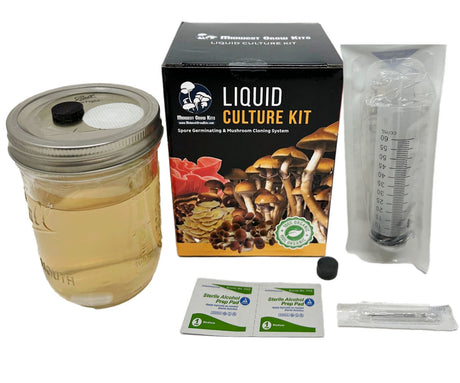
Premium Liquid Culture Kit - Easy Spore Germinating & Mushroom Cloning System
$2000$2499Unit price /Unavailable

Premium XL Liquid Culture Kit - 28oz Easy Spore Germinating & Mushroom Cloning
$2499Unit price /Unavailable-


 $1.50 off
 $7.00 off
-

-
$8.00 off
-
$6.90 off
Liquid Culture Starter Pack – Build Your Kit & Save Up to 20%
$6207$6897Unit price /Unavailable





How to Choose a Liquid Culture Kit
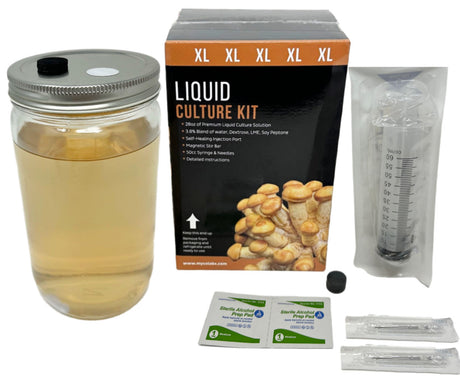
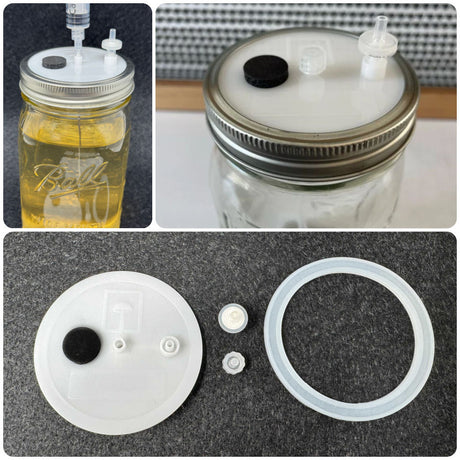
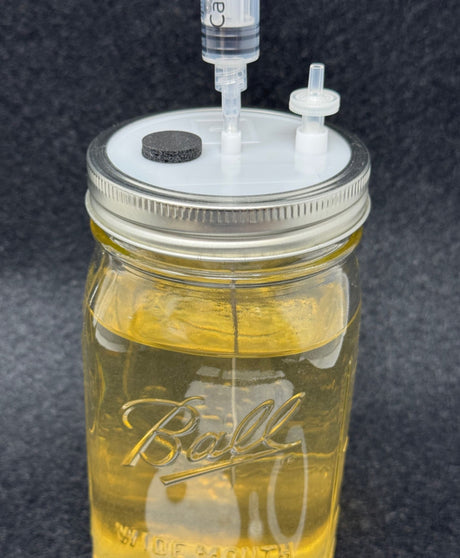
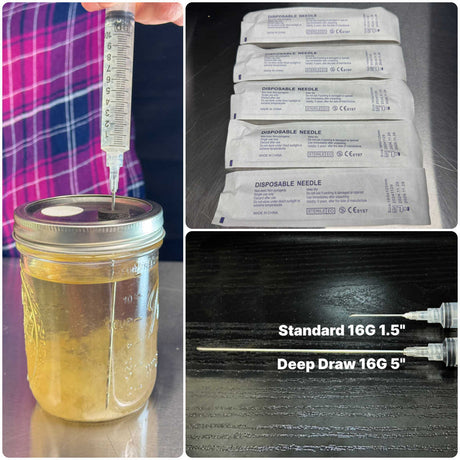
A liquid culture kit gives you a sterile jar, nutrient broth, and a self-healing injection port so you can germinate spores or clone a mushroom, then grow that culture into a cloudy jar of living mycelium. One jar can inoculate dozens of grain spawn bags or jars — which is what makes LC the go-to for growers who want unlimited grows from a single culture. Pick your kit by how much culture you need and how hands-off you want to be.
| Kit | Best for | Volume | What sets it apart |
|---|---|---|---|
| QuickCulture Mini (3-Pack) | First-timers, small grows, testing genetics | 3 mini jars | Lowest-cost way to try LC — three separate cultures |
| Premium LC Kit | The everyday standard grow | Standard jar | Our most popular kit — spore-to-culture in one jar |
| Premium XL (28 oz) | Bigger batches, more inoculations per jar | 28 oz jar | Extra broth for growers scaling up |
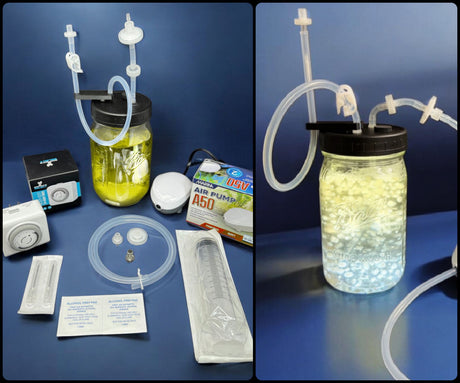
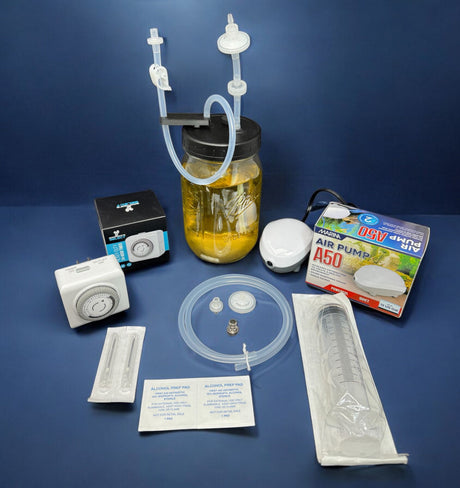
| Active Air Infused XL System | Fastest, hands-off colonization | 28 oz + air pump | Continuous gas exchange with timer & pump for quicker, denser growth |
Complete Your LC Setup
These are the lab tools that make working with sterile liquid culture faster and cleaner:
- Myco Lid Pro™ — a reusable, self-healing injection-port lid that turns a wide-mouth jar into an LC vessel and survives repeated pressure sterilization.
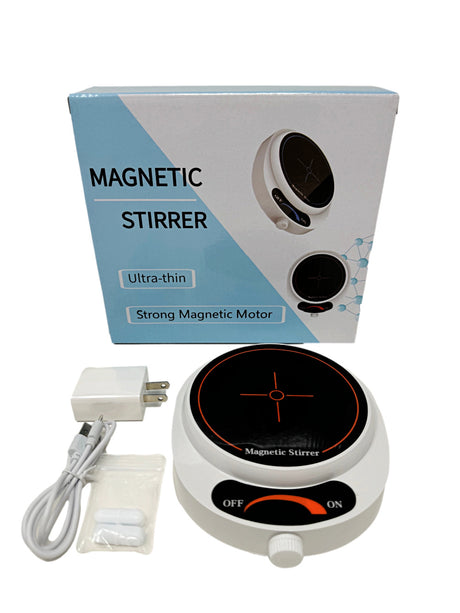
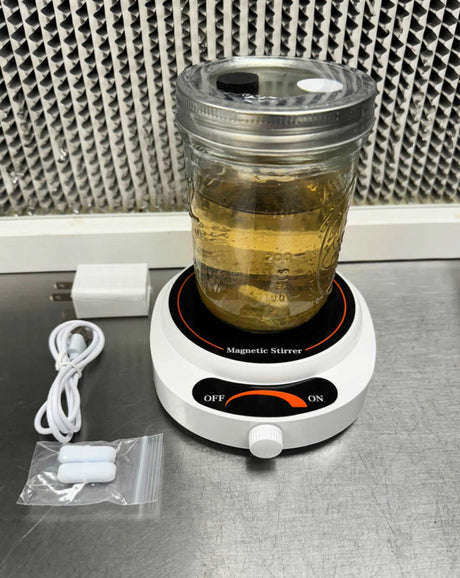
- Magnetic Stir Plate (4000 RPM) — spins broth to disperse mycelium evenly and speed colonization.
- PTFE Stir Bars (5-Pack) — smooth, autoclavable mixing rods to pair with your stir plate.
Explore Related Supplies
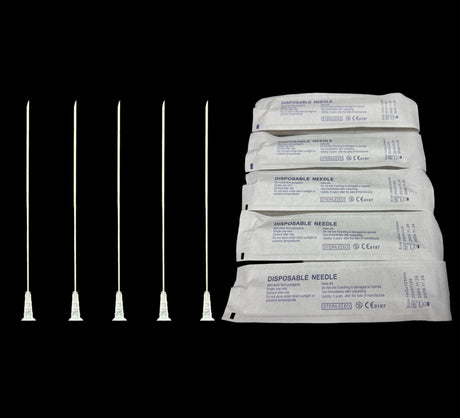
- Liquid Culture Syringes
- Pre-Sterilized Agar Plates
- Grain Spawn Bags & Jars
- All-In-One Grow Bags
- Flow Hoods & Clean Room
- Complete Grow Kits
Liquid Culture FAQ
What is liquid culture and how does it work?
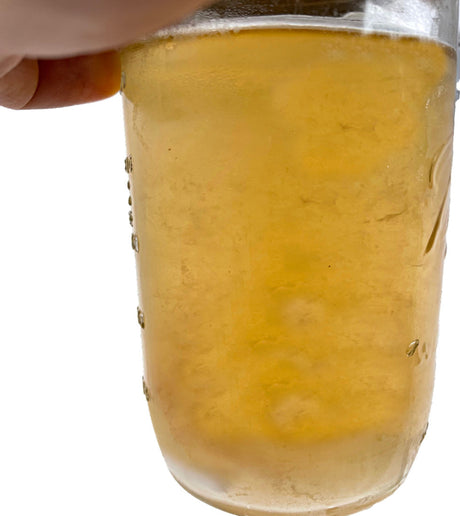
Liquid culture is living mushroom mycelium suspended in a sterile sugar-based broth. You inoculate the sterile jar with spores or a piece of clean tissue, let the mycelium colonize the liquid over 1–2 weeks, then draw the cloudy culture into a syringe to inoculate grain spawn, agar, or another jar. It’s faster than spores and lets you expand one clean culture into many grows.
What’s the difference between a liquid culture kit and a liquid culture syringe?
A kit is the sterile jar, broth, and lid you use to make and hold your own culture from spores or a clone. A syringe is culture that’s already grown and ready to inject. If you want to produce and store your own genetics, start with a kit; if you just need ready-to-use living culture, browse our Liquid Culture Syringes.
Which liquid culture kit should a beginner start with?
Most first-timers start with the Premium LC Kit or the QuickCulture Mini 3-Pack. The mini 3-pack is the lowest-cost way to practice sterile technique and run three separate cultures. Step up to the Premium XL 28 oz or the Active Air system when you need more culture per jar or want the fastest colonization.
Do I need a magnetic stir plate for liquid culture?
No — liquid culture colonizes on its own. But a stir plate and PTFE stir bar keep the mycelium broken into an even suspension, which speeds colonization and makes the culture easier to draw into a syringe. It’s an optional upgrade that pays off once you’re running LC often.
How long does liquid culture take to colonize?
Most cultures are fully cloudy and ready to use in about 1–2 weeks at room temperature (68–75°F), depending on the species and whether you’re stirring the broth. You’ll see wispy mycelium strands develop and thicken until the liquid is evenly cloudy.
How do I store liquid culture and how long does it last?
Store finished liquid culture in a clean, dark spot or refrigerated. Kept sterile and refrigerated, a healthy culture can stay viable for several months. Always inspect for off colors, sour smells, or anything unexpected before use — those can signal contamination.
