


 $7.00 off
 Up to $4.00 off
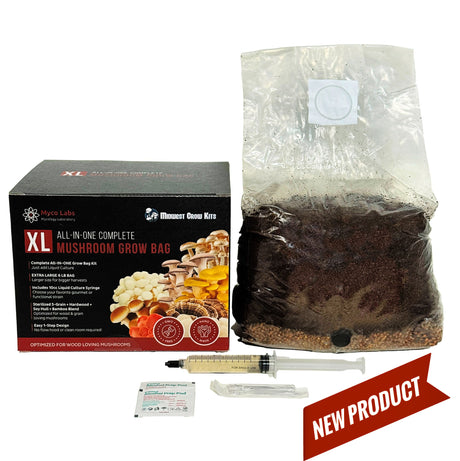
Complete XL ALL-IN-ONE Wood Lover's Mushroom Grow Bag Kit (6LB)
$2599$2999Unit price /Unavailable
Choosing a wood-based substrate
There are two ways to grow wood-lovers in this collection — pick based on how much of the process you want to handle yourself.
Sterilized Master's Mix — most control, highest yields
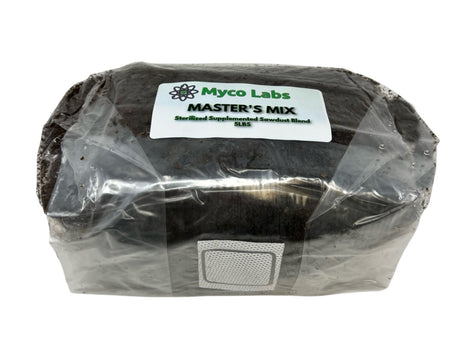
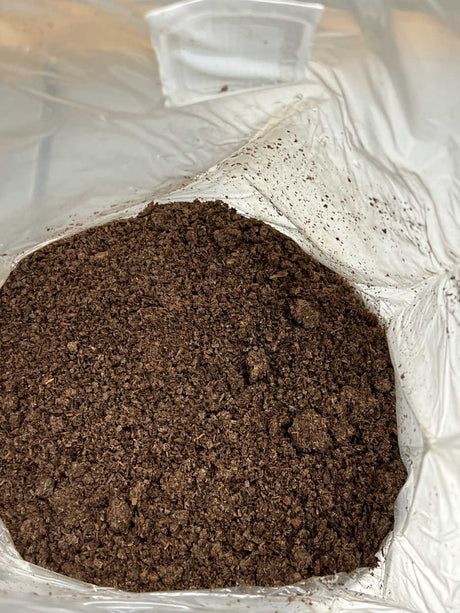
A 50/50 blend of hardwood sawdust and soybean hulls, sterilized at 250°F for 3.5 hours. This is the fruiting substrate for growers who already have colonized grain spawn (or want to spawn to bulk) and want the biggest flushes. Inoculate with grain spawn or a wood-loving liquid culture, colonize, then fruit straight from the block.
All-in-One Wood Lover's Grow Bag — simplest path
Substrate, grain spawn, a self-healing injection port and a HEPA filter, all in one sealed bag. Inject a syringe, let it colonize, cut it open to fruit — no mixing, no separate spawn, no transfer step. The easiest way to grow a wood-loving species from scratch.
What grows on wood-based substrate
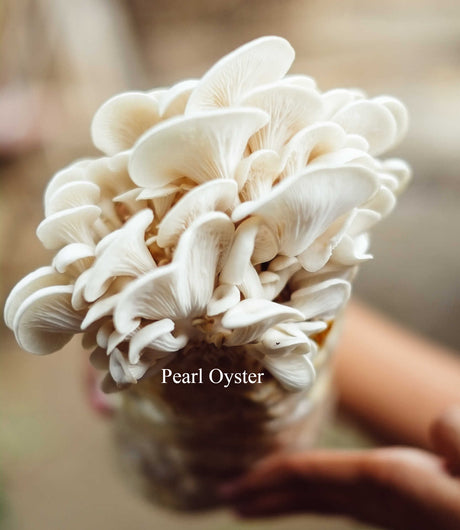
Lion's mane, shiitake, all oyster varieties (blue, golden, pink, pearl, king), king trumpet, reishi, maitake, pioppino, chestnut and turkey tail. These are the gourmet and functional species that fruit from hardwood rather than dung-based substrates.
Frequently asked questions
What is Master's Mix?
Master's Mix is a 50/50 blend of hardwood sawdust and soybean hulls — the industry-standard supplemented fruiting substrate for wood-loving gourmet mushrooms. The sawdust provides the lignin and cellulose these species digest, while the soybean hulls add the nitrogen and nutrients that drive bigger yields.
Which mushrooms grow on wood-based substrate?
Wood-loving species: lion's mane, shiitake, oyster varieties, king trumpet, reishi, maitake, pioppino, chestnut and turkey tail. These won't fruit well on CVG or manure-based substrates, which are made for a different group of mushrooms.
Why is Master's Mix sterilized instead of pasteurized?
Its nutrient load is the reason. The soybean hulls that boost yields also feed contaminants, so a lower-temperature pasteurization isn't enough — supplemented substrates must be fully sterilized at 250°F to stay clean until you inoculate. Plain CVG can be pasteurized because it's far less nutrient-dense.
Can I use wood-based substrate for manure-loving mushrooms?
No. Manure-loving species need the CVG or manure-based blends in our other substrate collections. Putting them on hardwood substrate — or putting a wood-lover on CVG — is one of the most common reasons a grow underperforms. Match the substrate to the species.
Do I need a flow hood or still air box?
For the all-in-one bag, no — the self-healing injection port is designed for a clean room with basic sanitation. For opening a sterilized Master's Mix bag to add grain spawn, a still air box or flow hood is strongly recommended, since supplemented substrate is more contamination-sensitive once exposed to open air.