


 $4.99 off
Willy's Blend - Willy Myco's Official Premium Imported Manure-Based Substrate - 5 lbs
$2500$2999Unit price /Unavailable-
$5.00 off


 $1.50 off
-
$28.01 off
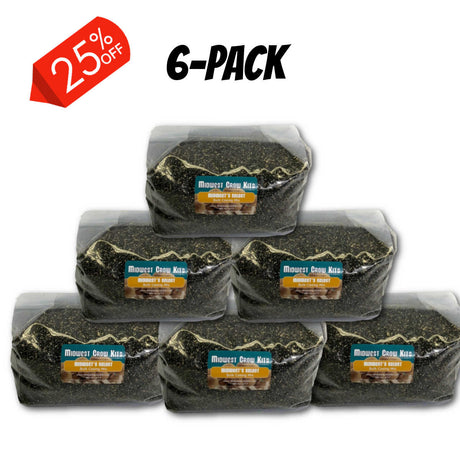
Midwest's Select Bulk Substrate Casing Mix - 30 Pounds (BULK 6-PACK)
$7999$10800Unit price /Unavailable 
 $7.00 off
-
$35.01 off
Midwest's Black Cow Manure Substrate & Casing Mix - 30 Pounds (BULK 6-PACK)
$8999$12500Unit price /Unavailable




Choosing the right bulk substrate
Every bag here is made fresh in-house and processed in our 1200L Blue Myco autoclave. The right one depends on your species and experience level.
Start with CVG — the proven default
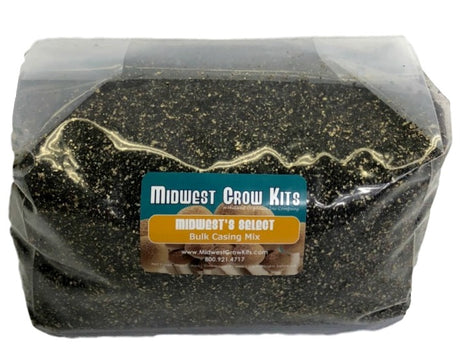
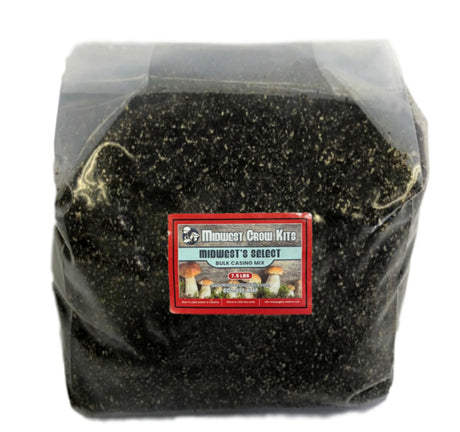
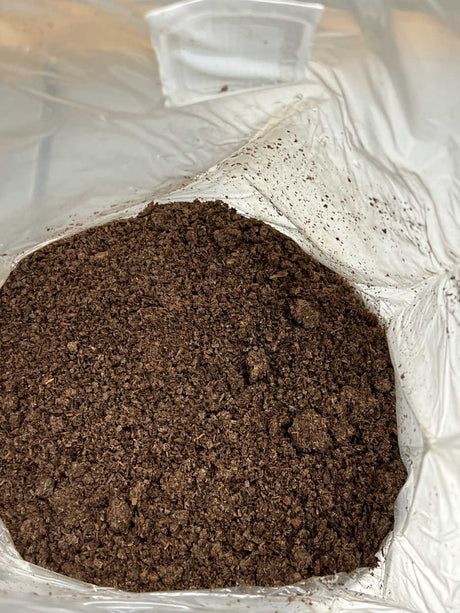
Midwest's Select is pure CVG (coco coir, vermiculite, gypsum, plus a touch of azomite). It's the simplest, lowest-contamination substrate and the right choice for the vast majority of cultivated species. A common beginner myth: "manure-loving" mushrooms don't actually need manure — they fruit beautifully on properly prepared CVG. Start here for your first grows.
Manure-based blends — for experienced growers
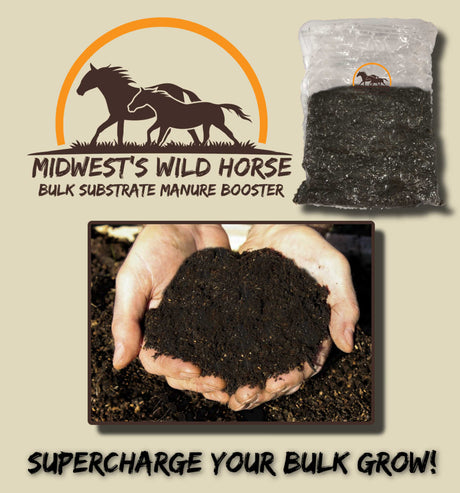
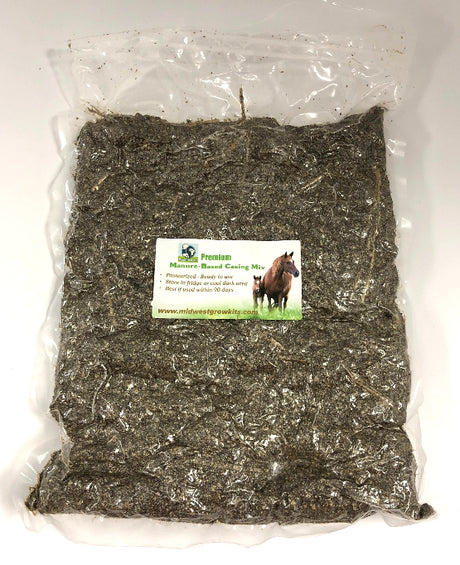
Once your sterile technique is dialed in, manure-based substrates like Willy's Blend, Black Cow, and the Wild Horse Booster add nutrients that can push bigger yields. The tradeoff is higher contamination sensitivity — richer substrate feeds mycelium faster, but it also feeds mold if anything goes wrong.
Wood & specialty substrates
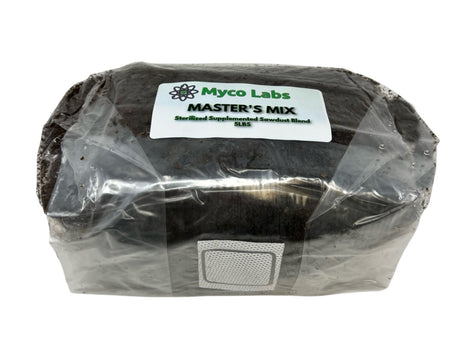
Growing lion's mane, shiitake, oyster, or other wood-lovers? They need Master's Mix, not CVG. Stepping up to advanced grassland species? See the Grass Lover's specialty kits.
Browse by substrate type
Frequently asked questions
What is bulk substrate and how do I use it?
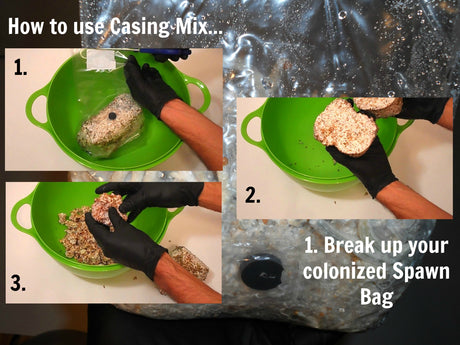
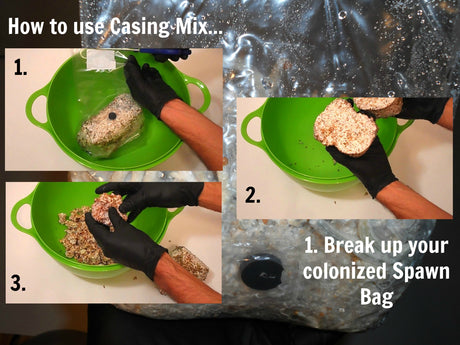
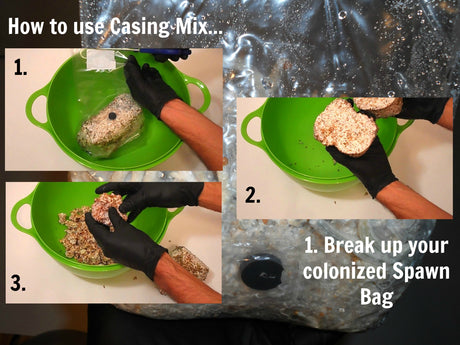
Bulk substrate is the growing medium you mix with fully colonized grain spawn inside a monotub. The grain spawn provides the active mycelium; the substrate provides moisture, structure, and growing mass. Mixed together and leveled in the tub, the mycelium spreads through the substrate, then the tub is switched to fruiting conditions.
Which bulk substrate should I start with?
Midwest's Select CVG — pure coco coir, vermiculite, and gypsum. It's the simplest and lowest-contamination option, works for the widest range of species, and has over 100,000 bags sold since 2012. Move to manure-based or supplemented blends once you have a few successful grows behind you.
What size bag do I need for my monotub?
Match the bag to the tub: a 5 lb bag fills a 28Q monotub with one spawn bag, a 7.5 lb bag fills a 44Q with one spawn bag, and the 30 lb 6-pack covers a 66Q (two bags) or lets you run multiple tubs at a per-bag discount.
What's the difference between CVG and manure-based substrate?
CVG (coco coir, vermiculite, gypsum) is simpler and far less prone to contamination — the smart default for most growers. Manure-based blends add nitrogen and micronutrients that can increase yields, but they're more sensitive to handling and storage. CVG is the safer choice until your technique is dialed in.
How fresh is the substrate?
We make substrate fresh daily and ship the freshest stock first, so your bag is typically just days old. Pasteurized bags are best used within 60 to 90 days of production; refrigerated storage extends that window. Every bag ships hydrated to field capacity — don't add water.