


 $10.00 off

Blue Myco Large Spawn Bags 3T 0.2 Micron Filter 8" X 5" X 19" Extra Thick (50-Pack)
$3599Unit price /Unavailable-

 $20.00 off
Blue Myco Medium 0.5 Micron Double Patch Fruiting Bags 5"x4"x19" (50-Pack)
$2999$4999Unit price /Unavailable $5.00 off
Blue Myco XLS-T Spawn Bags 0.22 Micron Filter 10" X 5.5" X 24" Extra Thick (50-Pack)
$3999$4499Unit price /Unavailable-
$8.00 off
Blue Myco Medium Spawn Bags 10T 0.22 Micron Filter 5"X4"X19" (100-Pack)
$4799$5599Unit price /Unavailable 

-
$2.00 off
-
$20.00 off
Blue Myco Large Spawn Bags 3T 0.2 Micron Filter 8" X 5" X 19" Extra Thick (800-Pack Case)
$37999$39999Unit price /Unavailable -


Choosing the Right Spawn Bag
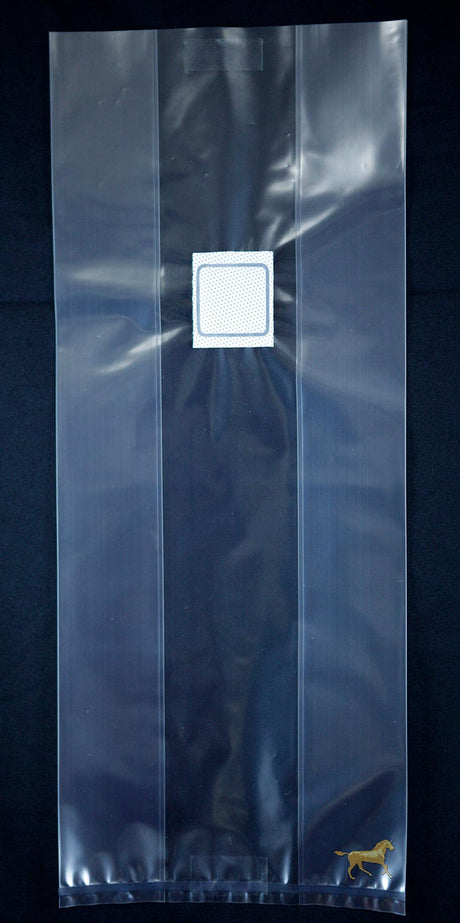
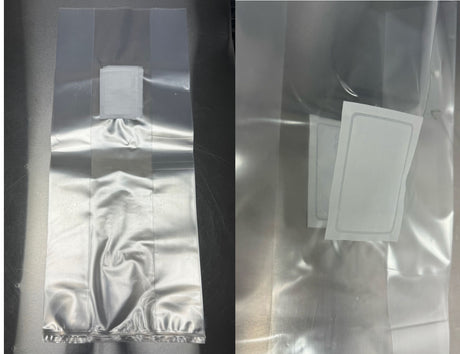
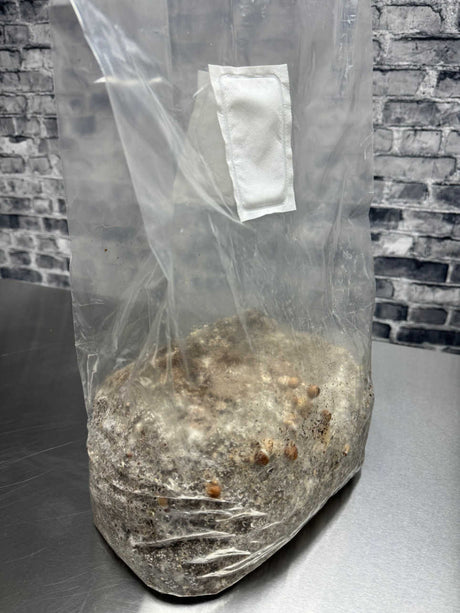
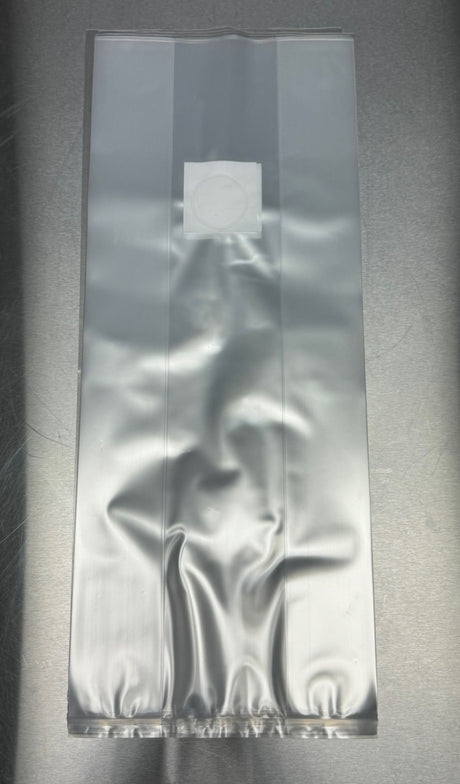
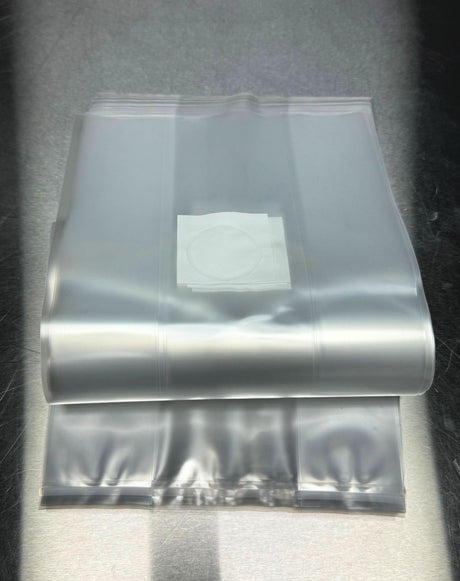
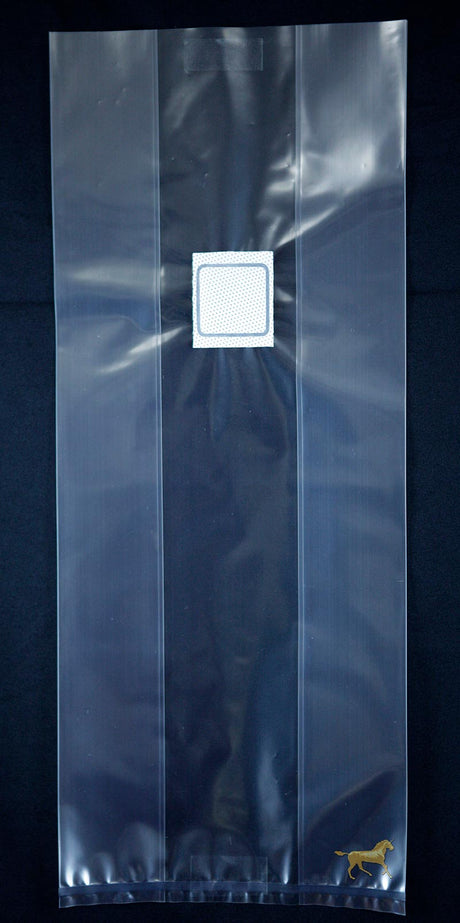
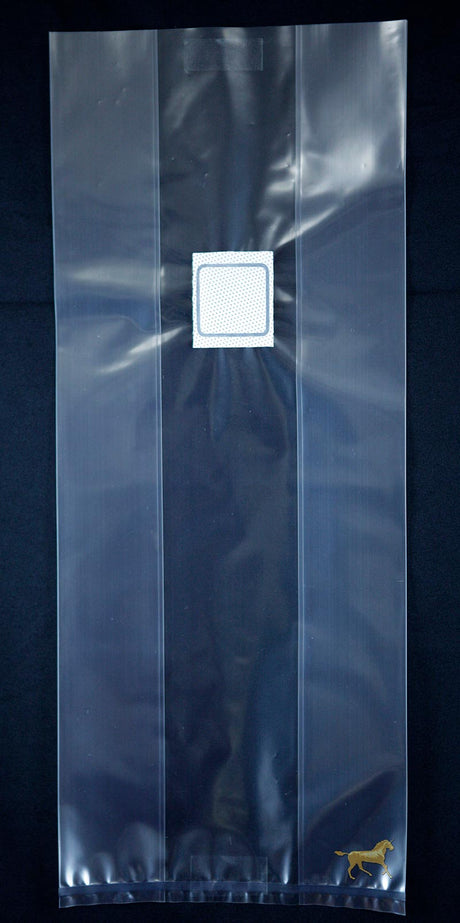
A spawn bag is a filter-patch polypropylene bag used to sterilize grain or substrate, inoculate it, and let it colonize in a sealed, breathable environment. The filter patch is the whole trick: it lets the mycelium breathe while blocking airborne contaminants. Every bag here is autoclave-safe and filter-equipped — the differences come down to size, filter rating, thickness, and how many you need.
The fastest way to choose
- What are you filling it with? Grain spawn needs a spawn bag with a small filter (0.2–0.22 micron). A fruiting block (spawn mixed into bulk) is better in a double-patch bag for more gas exchange.
- How much? Medium bags hold 3–4 lb, large bags 5–6 lb. Match the bag to your batch.
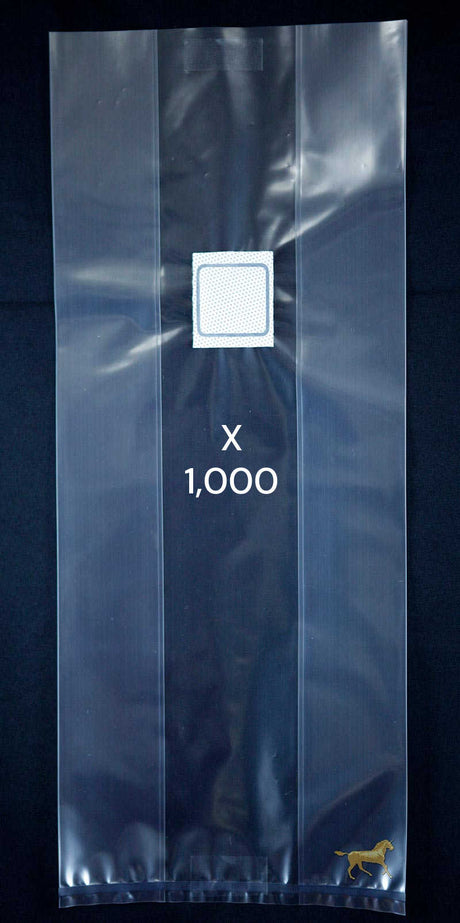
- How often do you grow? Buy a 50-pack for a season, or a case (100 to 1,000) if you run bulk regularly — the per-bag price drops sharply at case volume.
Blue Myco vs. Unicorn: Which Should You Buy?
We carry two brands of spawn bag. Both are filter-patch polypropylene, both autoclave clean, both trusted. Here is the honest difference.
Blue Myco Systems — our house brand, and what we recommend
Blue Myco is our own line, engineered for cultivation and priced below the imported alternative. The bags are extra-thick 3-mil polypropylene that stays flexible through sterilization and resists the blowouts and pinholes that ruin a grow. Because it is our brand, you get the spec you want at a better price — and the range is wider:
- Large 3T (8" × 5" × 19", extra thick) — our workhorse spawn bag, 0.2 micron filter, holds 5–6 lb. The default choice for grain spawn and Master's Mix blocks. Available in a 50-pack or an 800-pack case.
- Medium 10T (5" × 4" × 19") — 0.22 micron filter, sized for 3–4 lb grain runs. Sold in a value 100-pack.
- XLS-T (10" × 5.5" × 24", extra thick) — the big one, 0.22 micron, for large substrate blocks and high-yield fruiting.
- XLS & Medium Double-Patch Fruiting Bags — two filter patches for extra gas exchange, built specifically for fruiting blocks rather than grain colonization.
Unicorn Bags — the recognized industry standard
Unicorn originated the filter-patch spawn bag and remains the name commercial labs know. If a spec sheet or a customer specifically calls for Unicorn, we stock the two most-used models:
- Unicorn Medium 10T — 3.0 mil, 0.2 micron, 3–4 lb. 50-pack or a 1,000-bag case for large operations.
- Unicorn Large 3T — 2.2 mil, 0.2 micron, 5–6 lb, gusseted stand-up construction.
Unicorn is excellent — it is the benchmark for a reason. For most growers, though, our Blue Myco Large 3T delivers the same 0.2 micron protection in a thicker 3-mil bag at a comparable or lower price. Buy Unicorn if you specifically want the name; buy Blue Myco if you want the best value on the same job.
Spawn Bags at a Glance
| Bag | Size | Filter | Capacity | Best for |
|---|---|---|---|---|
| Blue Myco Large 3T (extra thick) | 8″ × 5″ × 19″ | 0.2 micron | 5–6 lb | Grain spawn & Master's Mix blocks — our default pick |
| Blue Myco Medium 10T | 5″ × 4″ × 19″ | 0.22 micron | 3–4 lb | Smaller grain runs; value 100-pack |
| Blue Myco XLS-T (extra thick) | 10″ × 5.5″ × 24″ | 0.22 micron | Large blocks | High-yield fruiting blocks |
| Blue Myco Double-Patch (XLS & Medium) | Varies | 0.5 micron, 2 patches | Block | Fruiting blocks needing max gas exchange |
| Unicorn Medium 10T | Gusseted | 0.2 micron | 3–4 lb | Industry-standard grain spawn |
| Unicorn Large 3T | 8″ × 5″ × 19″ | 0.2 micron | 5–6 lb | Industry-standard substrate/spawn |
Spawn Bags vs. Fruiting Bags
They look similar but do different jobs. A spawn bag has a single small filter (0.2–0.22 micron) tuned for the colonization phase, where you want gas exchange but minimal moisture loss. A double-patch fruiting bag has two larger filter patches (0.5 micron) for the higher fresh-air demand of actively fruiting mushrooms. Use spawn bags to grow out grain; use fruiting bags when you mix that spawn into bulk substrate and want mushrooms to pin right out of the bag.
Need a sealer? Once you cut a bag open to inoculate, you need to reseal it clean. The Bonsai PFS-300 impulse heat sealer makes a fast, airtight seal on filter-patch poly — the standard companion to any bag order.
Prefer bags that come ready to grow? If you would rather skip sterilizing and inoculating grain yourself, our sterilized grain spawn bags arrive filled and autoclaved, and our pre-colonized bags arrive fully grown and ready to break into bulk.
Frequently Asked Questions About Spawn Bags
What is a spawn bag and how does it work?
A spawn bag is a polypropylene bag with a built-in filter patch, used to grow grain spawn or substrate. You fill it, sterilize it in an autoclave or pressure cooker, inoculate it with culture through an injection port or the top, then seal it. The filter patch allows the colonizing mycelium to exchange gases with the outside air while physically blocking mold spores and bacteria, so colonization happens in a clean, sealed environment.
What does the micron rating on the filter mean?
The micron rating is the size of particle the filter blocks. A 0.2 to 0.22 micron filter blocks essentially all airborne bacteria and mold spores, which is why it is the standard for grain spawn colonization. A larger 0.5 micron filter, used on double-patch fruiting bags, allows more air exchange for the higher oxygen demand of fruiting mushrooms, at a small trade-off in filtration. Match the rating to the phase: tighter for colonization, more open for fruiting.
Should I buy Blue Myco or Unicorn bags?
For most growers, Blue Myco is the better value — it is our house brand, built in extra-thick 3-mil polypropylene with the same 0.2 micron filtration as the premium alternative, usually at a lower price. Unicorn is the recognized industry standard and the name commercial labs often specify; buy it if a spec sheet calls for it or you specifically want the brand. Both are excellent bags. The job they do is the same.
What size spawn bag do I need?
Match the bag to your batch. Medium bags (around 5" × 4" × 19") hold 3–4 lb of hydrated grain and suit smaller runs. Large bags (around 8" × 5" × 19") hold 5–6 lb and are the workhorse for grain spawn and Master's Mix blocks. XLS bags are larger still, for high-yield fruiting blocks. If you are unsure, the Large 3T is the most versatile starting point.
What's the difference between a spawn bag and a fruiting bag?
A spawn bag has one small filter (0.2–0.22 micron) optimized for colonizing grain, where you want gas exchange without losing moisture. A double-patch fruiting bag has two larger 0.5 micron patches for the higher fresh-air needs of fruiting. Use spawn bags to grow out grain spawn; use double-patch fruiting bags when you mix spawn into bulk substrate and want to fruit directly from the bag.
Can I reuse spawn bags?
No. Spawn bags are single-use. Once a bag has been sterilized, inoculated, and colonized, its filter is spent and its sterility is gone. Reusing a bag reintroduces contamination risk that undoes the point of a filter-patch bag in the first place. Buy in packs or cases so you always have fresh bags on hand.
Do I need a heat sealer for these bags?
You need a way to reseal a bag after you open it to inoculate. Folding and taping works for light use, but an impulse heat sealer makes a fast, airtight, contamination-proof seal and is the standard tool once you are running more than a couple of bags. Seal below the filter patch, not across it.
How many bags should I buy — a pack or a case?
Buy a 50-pack if you grow seasonally or are still dialing in your process — it is enough for many grows without a big outlay. Step up to a case (100, 800, or 1,000 bags) once you are running bulk regularly, because the per-bag cost drops substantially at case volume. Bags store indefinitely as long as they stay sealed and dry, so buying ahead costs nothing but shelf space.