


Bonsai H14 99.995% HEPA Horizontal Laminar Flow Hood - Natural Clear Coat Finish
$33999Unit price /Unavailable
 $20.00 off
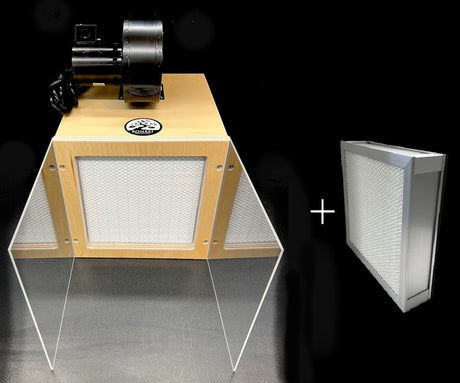
Bonsai H14 99.995% HEPA Laminar Flow Hood Clear Coat + Extra Filter Bundle
$36999$38999Unit price /Unavailable $50.00 off
Bonsai XL 24" X 18" H14 99.995% HEPA Horizontal Laminar Flow Hood - Version 2.0
$84999$89999Unit price /Unavailable
 Up to $150.00 off
Bonsai Commercial Series 48" X 24" H14 99.995% HEPA Horizontal Laminar Flow Hood 4'x2'
From $1,84900$1,99900Unit price /Unavailable-
$100.00 off
Bonsai 2 x 2 ft H14 99.995% HEPA Flowhood Fan Filter Unit (FFU) 120V
$59999$69999Unit price /Unavailable -
 $50.00 off
Bonsai 3 x 2 ft H14 99.995% HEPA Flowhood Fan Filter Unit (FFU) 120V
$84999$89999Unit price /Unavailable -
$150.99 off
Bonsai 4 x 2 ft H14 99.995% HEPA Flowhood Fan Filter Unit (FFU) 120V
$1,14900$1,29999Unit price /Unavailable 


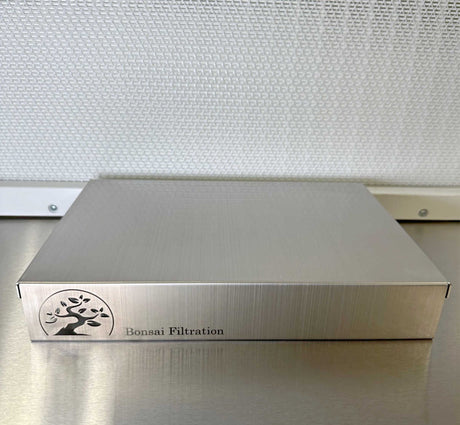
Bonsai Premium 12" Stainless Steel Elevated Workspace Platform Table Riser
$5599Unit price /Unavailable

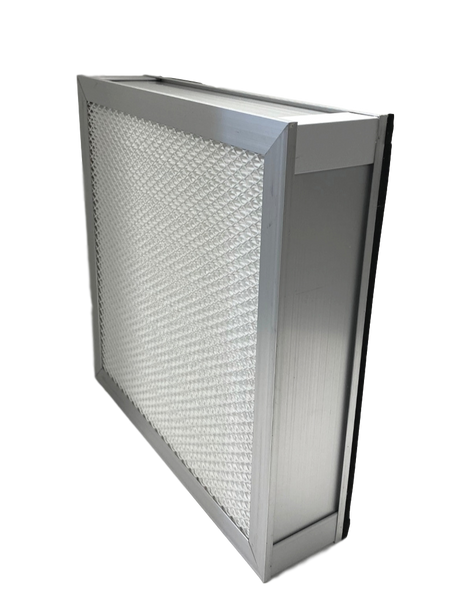
Bonsai Flow Hood H14 99.995% HEPA Replacement Filter for 12" Flowhood
$9300Unit price /Unavailable-


Bonsai Flow Hood H14 99.995% HEPA Replacement Filter for 2'x4' Commercial Flow Hood
$59999Unit price /Unavailable
Bonsai FFU H14 99.995% HEPA Replacement Filter for 2'x4' Fan Filter Unit (24" x 48" x 3")
$49999Unit price /Unavailable Sold out
Bonsai Flow Hood H14 99.995% HEPA Replacement Filter for XL 24"x18" Flowhood
$25900Unit price /Unavailable-
Bonsai FFU H14 99.995% HEPA Replacement Filter for 3'x2' Fan Filter Unit
$39999Unit price /Unavailable -
Bonsai FFU H14 99.995% HEPA Replacement Filter for 2'x2' Fan Filter Unit
$19900Unit price /Unavailable  Sold out
-
Sold out
Myco Labs REPLACEMENT HEPA Filter for 23" x 23" Fan, Filter Unit (FFU)
$17900Unit price /Unavailable


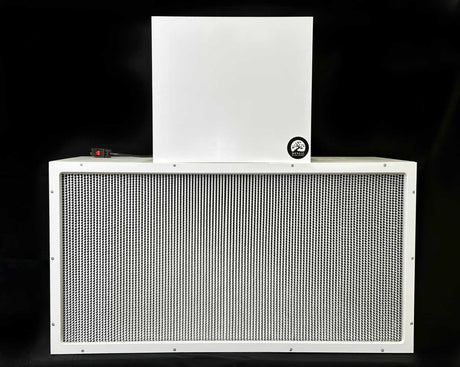
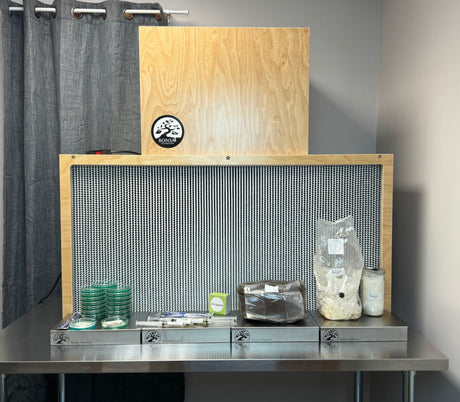


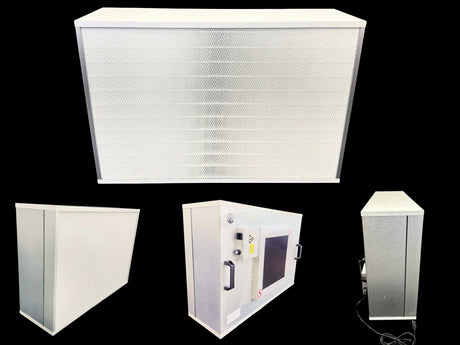


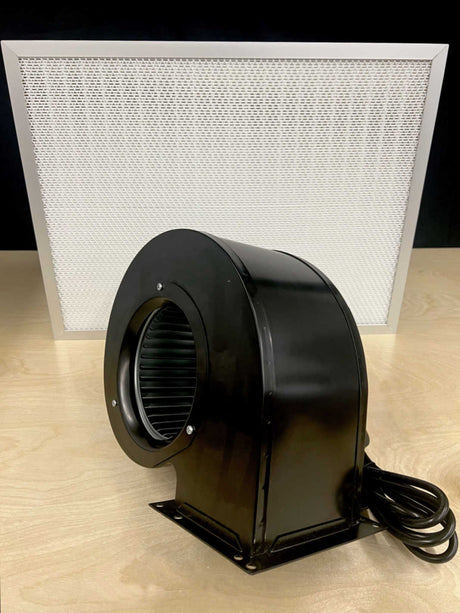
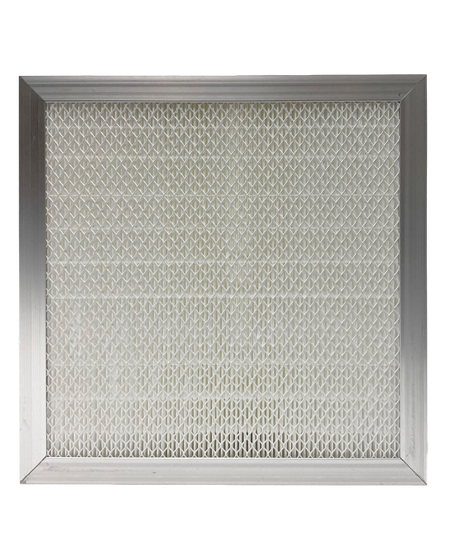
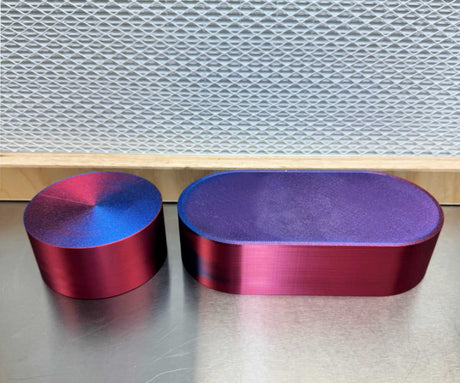
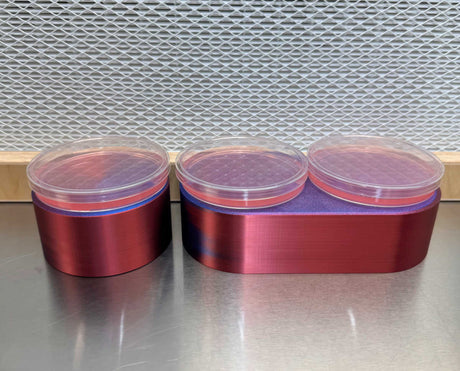

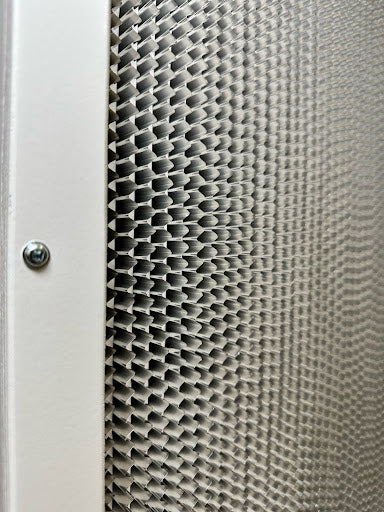
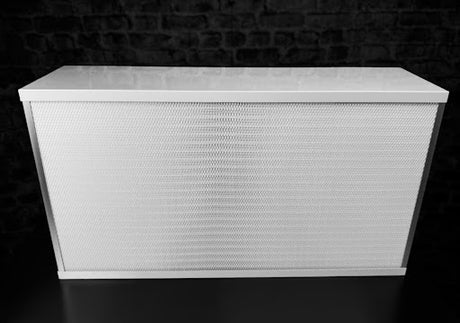
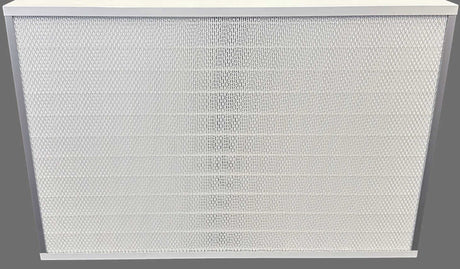
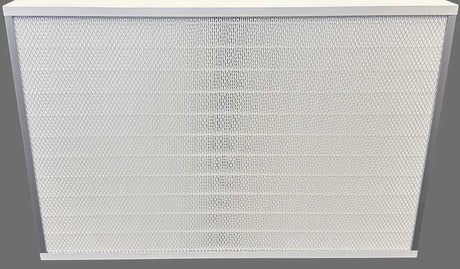


Building a Contamination-Free Workspace
Every serious mushroom grower hits the same realization: tetracycline-clean technique only gets you so far when you're working in a kitchen full of mold spores. At some point, you upgrade from a still air box to real clean-air equipment. Here's what each piece does and which one you actually need.
Laminar Flow Hoods — The Gold Standard
Best for: Hobbyists serious about cultivation, anyone doing agar work, grain-to-grain transfers, or running multiple grows where contamination losses add up.
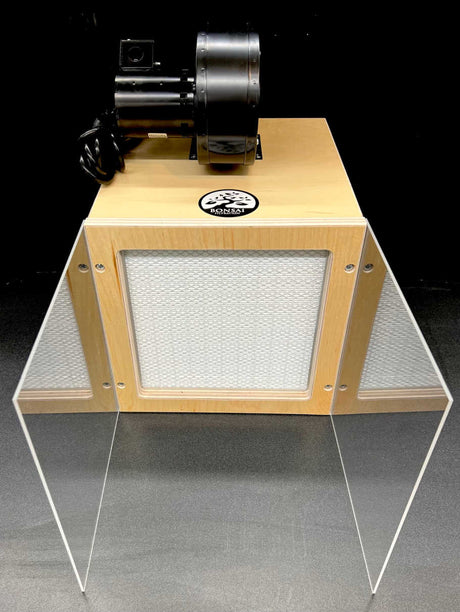
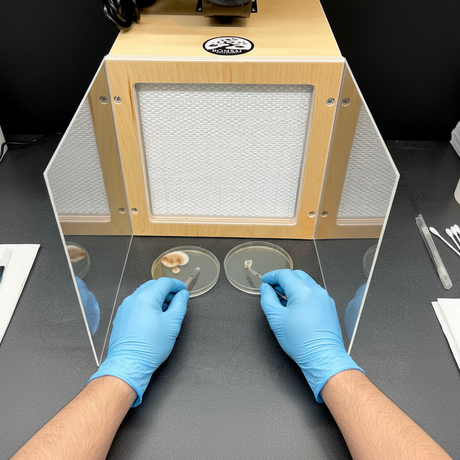
A laminar flow hood pushes HEPA-filtered air in smooth, parallel streams across your work surface. That laminar flow is what makes it different from any other piece of clean-air equipment — the air moves so uniformly that airborne contaminants can't drift into your sterile work. You can open jars, transfer mycelium, pour agar, and inoculate cultures in the air stream with confidence.
Our flagship Bonsai XL 24"×18" Flow Hood (Version 2.0) is the workhorse — big enough for full agar work, grain transfers, and multi-jar inoculation sessions. The entry-level Bonsai 12" Flow Hood covers the same use cases at a smaller footprint — perfect for first-time flow hood buyers who want true laminar flow without the larger cabinet.
Fan Filter Units (FFUs) — Clean Air, Different Use Case
Best for: DIY clean room builds, ceiling-mount installations, retrofitting existing tables, or running positive-pressure rooms.
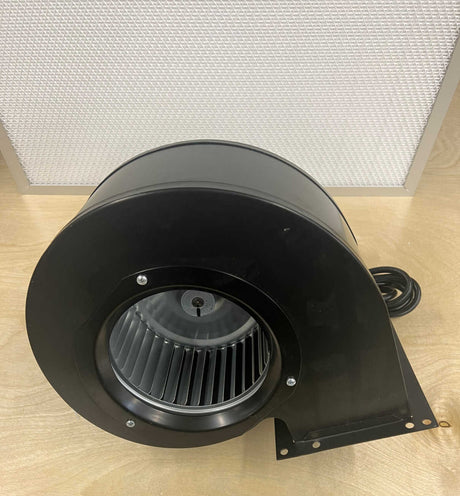
A fan filter unit is the filter and fan module alone — no cabinet, no work surface. FFUs are excellent for what they're designed to do (delivering HEPA-filtered air into a space), but they don't produce true laminar flow on their own. The air comes out clean, but it's turbulent — meaning contamination can still drift into your work area in ways it can't with a real flow hood.
Most serious growers use FFUs for clean-room installations (mounting them above a grow space or work area to pressurize the room with HEPA air) rather than as a flow hood substitute. For inoculation work, a true laminar flow hood is the right tool.
For a full breakdown, read our Laminar Flow Hood vs FFU guide.
Clean Room Supplies — The Consumables
Best for: Anyone running a clean workflow — flow hood owners, SAB users, and clean room operators alike.
Clean equipment is only half the equation. The other half is the consumables that keep your workflow sterile: nitrile gloves, face masks, hair covers, 70% isopropyl alcohol, sanitizing wipes, lab wipes, Tyvek suits for high-stakes work, and PPE that doesn't shed lint into your air stream.
Why Bonsai flow hoods are built differently
Bonsai is the in-house manufacturing division at Midwest Grow Kits. Every Bonsai flow hood is built to the same spec:
- Made in the USA — built in our Illinois facility, not imported and rebranded
- H14 HEPA filters — 99.99% efficient at 0.3 microns (one step above the H13 found in most consumer flow hoods)
- 1/2" pre-finished cabinet-grade plywood — durable, easy to wipe down, doesn't shed particulates like raw wood
- Lab-tested to US laminar flow specifications — every unit verified for true unidirectional airflow before it ships
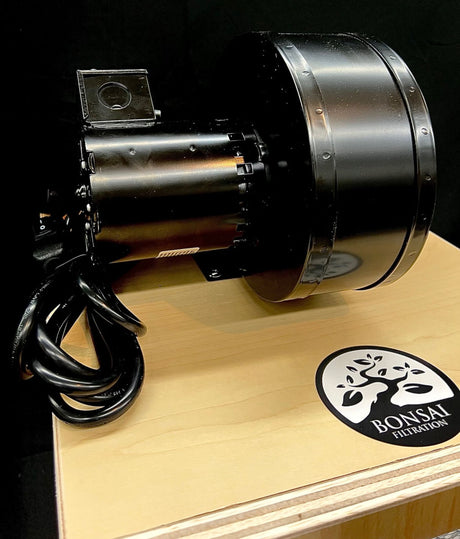
- 3-year motor warranty — the longest in the home cultivation market
- Designed specifically for mushroom cultivation — work surface dimensions, lighting, and airflow tuned for agar, jars, and bag work
Quick decision tree
- Upgrading from a still air box and want the simplest reliable flow hood? → Bonsai 12"
- Doing agar work or running multiple grows at once? → Bonsai XL 24"×18"
- Building a clean room or pressurizing a grow space? → Fan Filter Unit
- Just need gloves, alcohol, and masks? → Clean Room Supplies
Frequently Asked Questions About Flow Hoods & Clean Room Equipment
Do I really need a flow hood, or is a still air box enough?
A still air box (SAB) is enough for occasional inoculation work — injecting an LC syringe into an all-in-one bag or a few grain jars. But once you're doing agar work, grain-to-grain transfers, or running multiple grows simultaneously, contamination losses in an SAB add up fast. A laminar flow hood lets you work with the jar or plate open in the air stream, which dramatically reduces failures and lets you do work that's basically impossible in an SAB.
What's the difference between a laminar flow hood and a fan filter unit?
A laminar flow hood produces smooth, parallel HEPA-filtered air across your work surface — the laminar flow itself is what blocks airborne contaminants from drifting into your work. A fan filter unit produces HEPA-filtered air but in turbulent flow, meaning contamination can still enter the work area. FFUs are great for pressurizing a clean room; flow hoods are what you actually want for inoculation. See our full comparison.
What size flow hood should I buy?
If this is your first flow hood and you're working on a small scale (a few grow bags at a time, occasional agar work), the Bonsai 12" covers everything most hobbyists do. If you're doing extensive agar work, running multiple grows simultaneously, or want room to spread out, the Bonsai XL 24"×18" gives you the workspace to do it comfortably. Going bigger than you need wastes filter life; going smaller than you need cramps your workflow.
What is an H14 HEPA filter and why does it matter?
H14 is the European EN1822 classification for HEPA filters that capture 99.99% of particles at 0.3 microns — one efficiency step above the H13 (99.95%) that's standard in most consumer flow hoods. For mushroom cultivation specifically, the extra efficiency matters because mold spores are exactly in the size range where H14 outperforms H13. Every Bonsai flow hood ships with H14 filters as standard.
How long do HEPA filters last?
HEPA filter life depends on how often you use the hood and how dusty your work environment is. Typical home cultivation use: 12–24 months. Commercial or heavy-use environments: 6–12 months. The filter doesn't fail dramatically — efficiency gradually drops as it loads with particulates. If your hood feels weaker or you notice more contamination than before, it's time to replace the filter.
Can I build my own flow hood with an FFU?
Yes, and many growers do. The catch: building a true laminar flow hood requires more than just bolting an FFU into a box. You need proper air distribution, a sealed cabinet, the right work surface depth, and ideally verification that the flow is actually laminar (not just clean and turbulent). For most hobbyists, buying a tested flow hood is cheaper than the time and equipment needed to validate a DIY build.
Where should I set up my flow hood?
Anywhere relatively clean and dust-free works — a basement, garage, spare room, or dedicated grow space. Avoid areas with high airflow (near furnaces, AC vents, or open windows), high humidity, or pet/foot traffic that stirs up dust. The hood will clean the air immediately around your work, but starting with a reasonably clean room extends filter life significantly.
How do I clean and maintain a flow hood?
Wipe the work surface with 70% isopropyl alcohol before and after every session. Periodically wipe down the interior cabinet walls. Don't spray alcohol directly at the filter — wipe surfaces with a damp lab wipe instead. Keep the work surface clear when not in use to avoid dust buildup. Run the hood for 15–30 minutes before starting work to fully clear the air.
What's covered under the 3-year motor warranty?
The 3-year warranty covers the motor on every Bonsai flow hood against manufacturing defects and premature failure under normal use. HEPA filters are consumables and not covered by the motor warranty — they're expected to be replaced periodically as part of normal operation.