


 $3.00 off
-
 $1.50 off
 $3.00 off
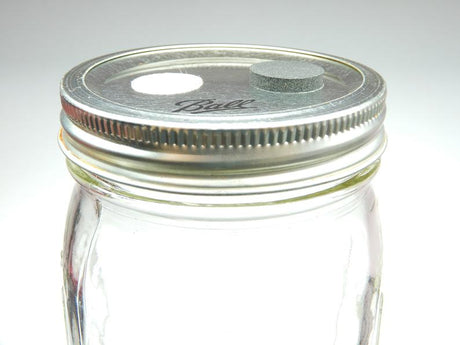
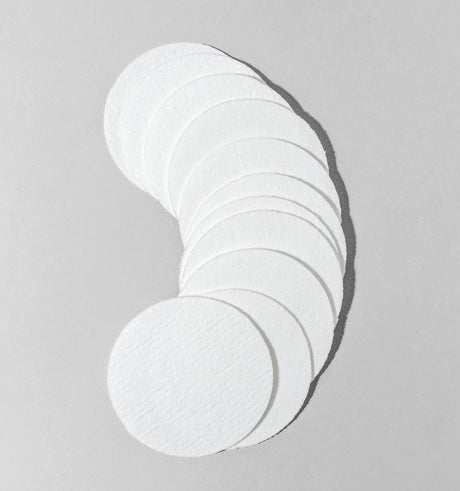
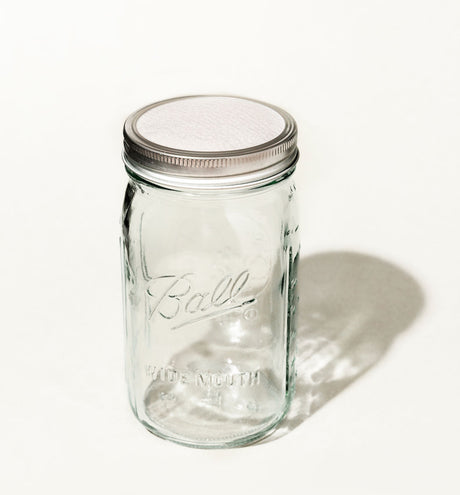
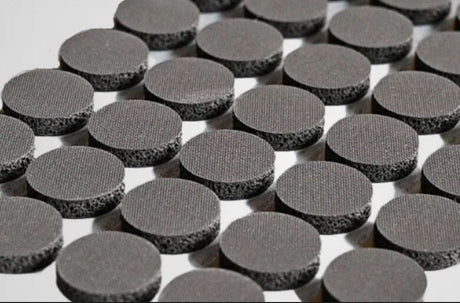
Microppose 90mm Synthetic Filter Disc for Wide Mouth Jars 0.2 micron (12-Pack)
$699$999Unit price /Unavailable

 $3.00 off
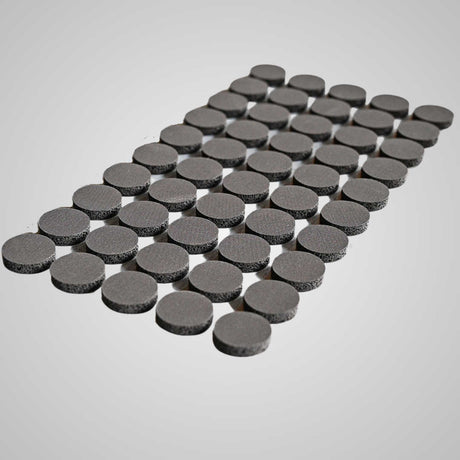
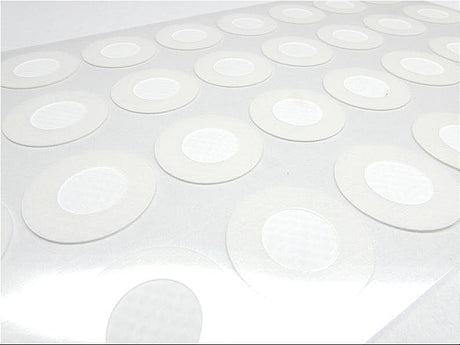
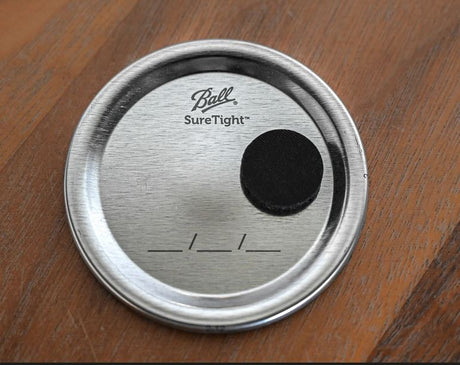
Microppose 18mm 0.3 Micron Self-Adhesive Lid Filter Stickers for Jar Lids & Tissue Culture (50-Pack)
$699$999Unit price /Unavailable-
 $4.00 off
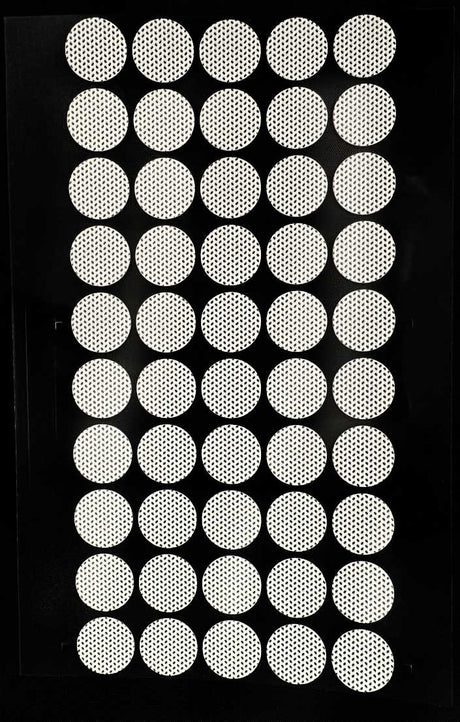
Microppose 28mm 0.3 Micron Self-Adhesive Lid Filter Stickers for Jar Lids & Tissue Culture (21-Pack)
$699$1099Unit price /Unavailable


Which Lid or Port Do You Need?
It comes down to whether you want to build your own lids from components or buy one that’s ready to go — and whether you need filtration, injection access, or both.
| Product | What it does | Best for |
|---|---|---|
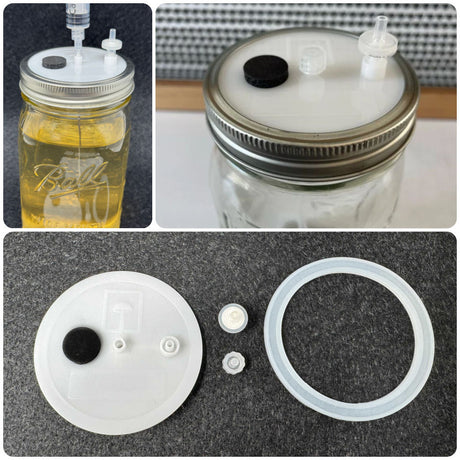
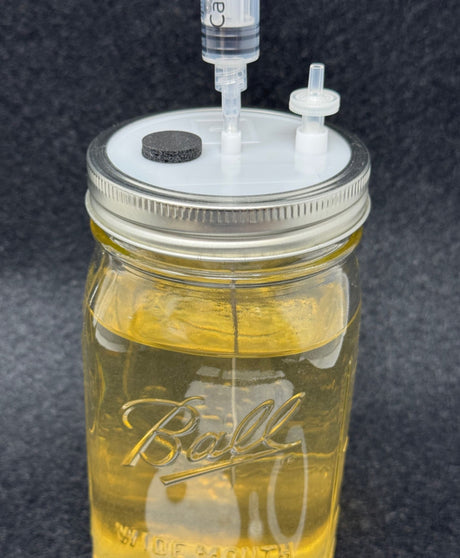
| Myco Lid Pro™ | Complete reusable lid with injection port and filter built in | The no-assembly option — liquid culture jars and repeat use |
| Self-Healing Injection Ports (25 & 50 pk) | Silicone port that reseals after every needle pass | Building your own lids; bulk jar runs |
| Round Air Filter Vents 0.22µm (50 pk) | Adhesive filter vent with 3M backing — stick-on gas exchange | Fast DIY lids and bag or jar modifications |
| Microppose 90mm Filter Discs (12 pk) | 0.2µm synthetic disc sized for wide-mouth jars | Wide-mouth mason jars needing full-lid filtration |
| Wide Mouth Cultivation Lids (6 pk) | Pre-made lids with injection port | Grain spawn jars, ready out of the box |
Explore Related Supplies
- Grain Spawn Jars
- Liquid Culture Kits
- Contamination Prevention
- BRF (PF Tek) Jars
- All Growing Supplies
- Spawn Bags & Heat Sealers
Lid Filters & Injection Ports FAQ
What is a self-healing injection port?
It’s a silicone plug fitted into a jar lid that lets you push a syringe needle through and reseals itself when the needle is withdrawn. That means you can inoculate a sterilized jar without ever opening it — the single biggest contamination window in most grows. Good ports survive many insertions and repeated pressure sterilization.
Why do mushroom jar lids need a filter?
Colonizing mycelium consumes oxygen and produces CO₂, so a completely sealed jar eventually stalls. A 0.2 micron filter disc or vent lets that gas exchange happen while the pore size blocks bacteria and mold spores from getting in.
What micron filter do I need for mushroom jars?
0.2–0.22 micron is the standard for sterile filtration. It allows airflow while excluding bacteria and mold spores. Larger pore sizes breathe more freely but stop being a reliable contamination barrier.
Can I reuse injection ports and filter lids?
The self-healing ports and the Myco Lid Pro™ are designed for repeat use and hold up to pressure sterilization. Adhesive filter vents are single-use by nature — once the backing is applied and the jar has been through a cycle, replace them.
Do I need both a filter and an injection port?
Usually yes, and for different reasons: the port is how you get culture in, the filter is how the jar breathes afterward. Some lids combine both — the Myco Lid Pro™ has the port and filter integrated, so there’s nothing to assemble.
How do I use an injection port without contaminating the jar?
Wipe the port with alcohol, flame-sterilize your needle and let it cool, then insert through the center of the port and inject. Work inside a still air box or in front of a flow hood if you have one, and use a fresh sterile needle rather than reusing one across jars.