


 $6.00 off
Myco Labs Large Still Air Box (SAB) Sterile Workstation 30" X 20" X 21"
$3399$3999Unit price /Unavailable-
Myco Labs ECO-CLEANSE Anti-Bacteria & Mold Inhibitor Spray Concentrate
From $599Unit price /Unavailable -
-

 $8.00 off
 $1.50 off

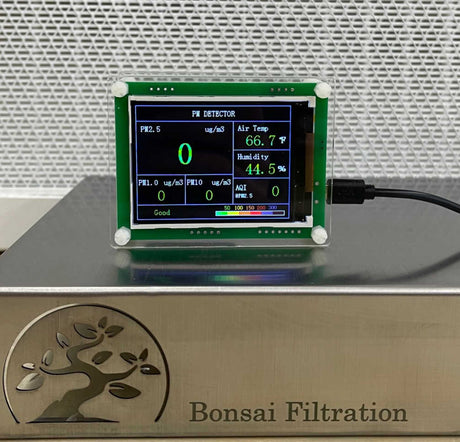
Bonsai Lab Guard Professional Laser Particulate/Contaminate Meter PM 2.5
$5499Unit price /Unavailable


Bonsai Premium 12" Stainless Steel Elevated Workspace Platform Table Riser
$5599Unit price /Unavailable-





Building a Contamination-Resistant Workspace
Contamination is the single most common reason a mushroom grow fails. It is almost never bad luck — it is airborne spores and bacteria finding their way into your substrate during the few minutes it sits open. Every product in this collection exists to shrink that window.
You do not need all of it. Work through the stages below in order and stop when you hit the level that matches how you grow.
Stage 1. Control the air around your work
The single biggest upgrade a home grower can make. Still air is clean air — spores fall out of suspension when nothing is stirring them up.
- Still Air Box (SAB) — an enclosed chamber that traps a pocket of motionless air. You work through arm holes, so the air never moves and airborne contaminants settle instead of swirling onto your agar or grain. This is the highest-impact, lowest-cost step in the entire collection, and for most home growers it is genuinely enough. Our Blue Myco Large SAB gives you a full 30" × 20" workspace.
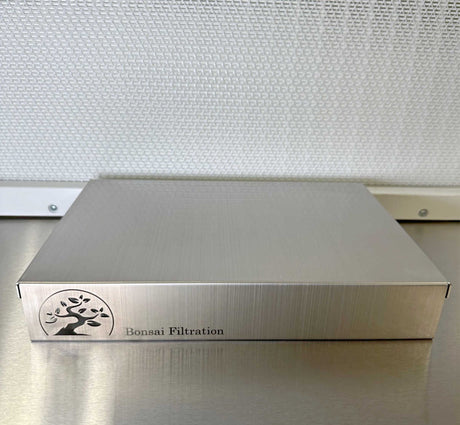
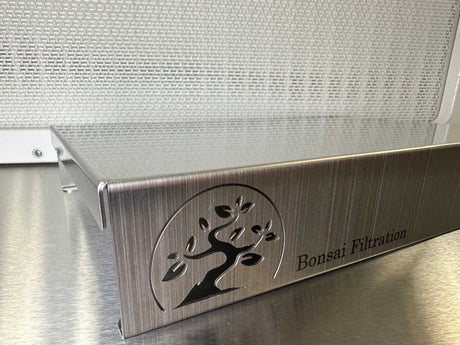
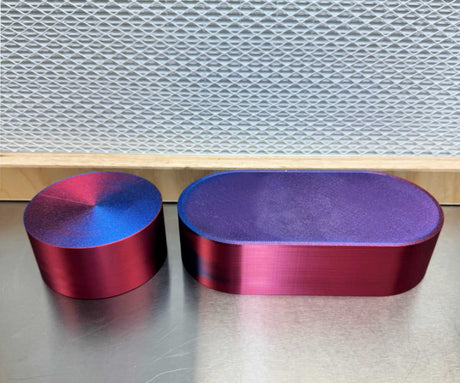
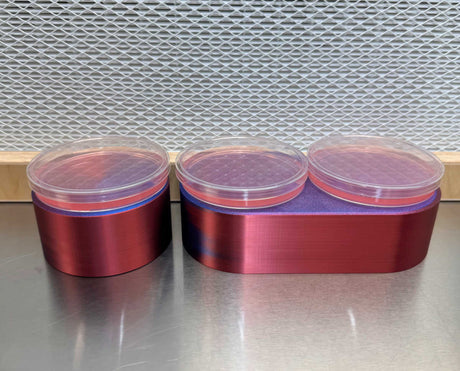
- Elevated workspace risers — raising your jars and plates off the deck of the box keeps them out of the layer where settled particles accumulate. The stainless steel platform riser and the mini 3D risers both do this; the mini set is the cheap way in.
Scaling past a SAB? A laminar flow hood pushes filtered air across your work rather than trapping still air, and is the step up for anyone doing volume. See flow hood vs. FFU if you are deciding.
Stage 2. Sterilize the surfaces and the room
Clean air is not much use if the surfaces, tools, and room are dirty. This is where most contamination actually originates.
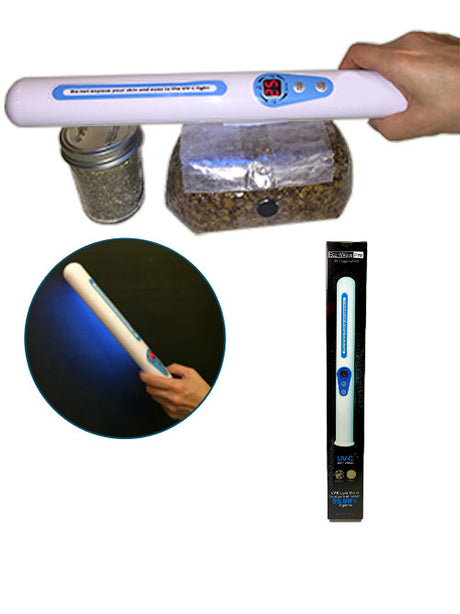
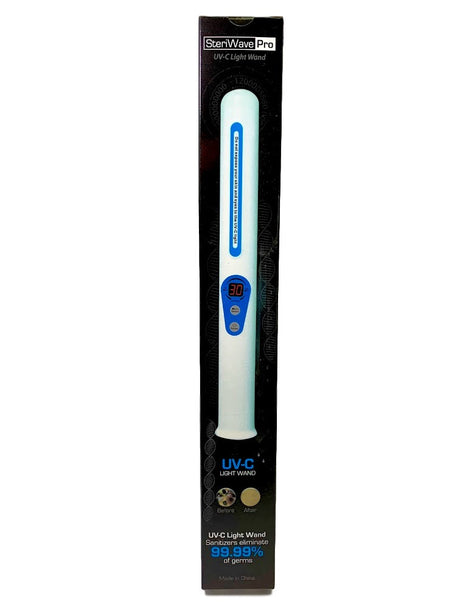
- Portable UV-C sterilizer — run it inside your SAB or over your work surface before you start. UV-C breaks down the DNA of bacteria and mold spores on exposed surfaces. Cheap, effective, and the most popular product in this collection.
- 60W radar induction UV-C room kit — for treating an entire lab or grow room between sessions rather than a single surface. Motion sensing shuts it off when someone walks in.
- ECO-CLEANSE anti-bacteria and mold inhibitor — a concentrate for wiping down surfaces, tubs, and equipment. Works where UV cannot reach: shadowed corners, undersides, textured plastic.
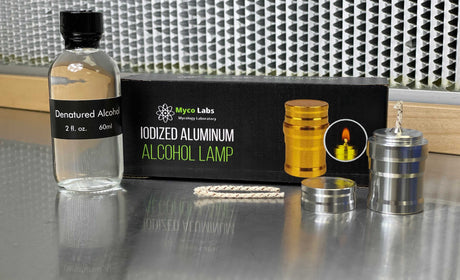
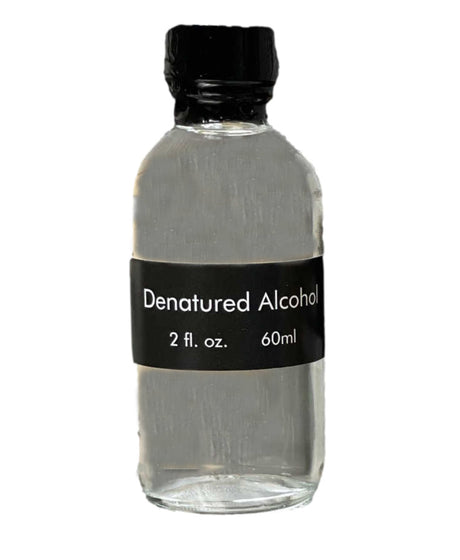
- Denatured alcohol — the workhorse. Wipe injection ports, needles, gloves, and the outside of every container before it enters your clean space.
Stage 3. Measure what you cannot see
Most growers guess at their air quality. These tools tell you what is actually in the room, which turns contamination from a mystery into a solvable problem.
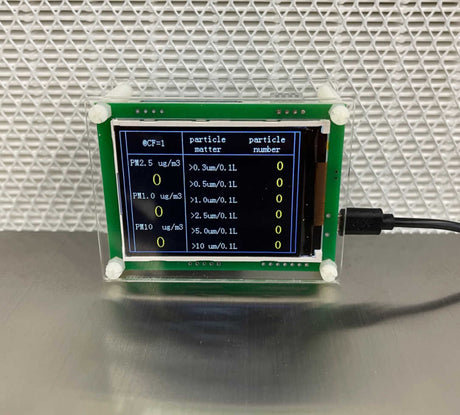
- Bonsai Lab Guard PM2.5 particulate meter — measures airborne particulates directly, so you can verify your SAB or flow hood is doing its job, find the dirty corner of your lab, and confirm a HEPA filter is still performing rather than assuming it is.
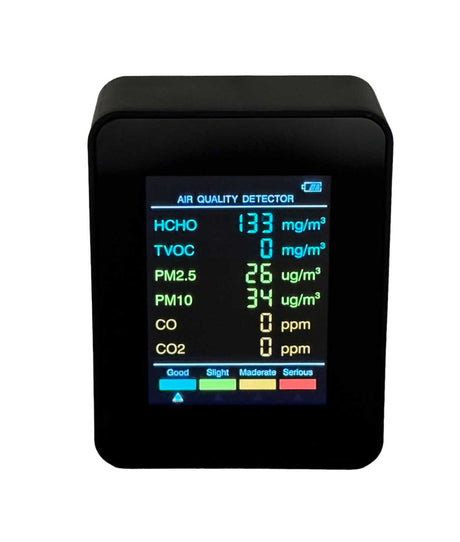
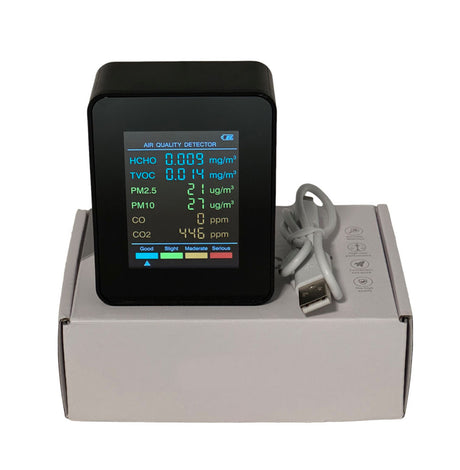
- CO2 detector and 6-in-1 air quality meter — CO2 matters on the fruiting side rather than the sterile side. High CO2 causes long stems and small caps, so this one earns its place in the grow room more than the lab.
If you are troubleshooting repeat failures and cannot find the cause, a particulate meter is usually the tool that ends the guessing.
Stage 4. Sterile consumables
The small things that touch your culture. Reusing them is the fastest way to undo everything above.
- Sterile syringes (10cc and 60cc, luer lock) — for liquid culture work and inoculation. Luer lock so the needle cannot pop off under pressure.
- Sterile 16G needles — a fresh needle per session. They are under a dollar each; a contaminated grow costs weeks.
- Sterile Spore Injection Pack — gloves, alcohol prep, and needle bundled for a single clean inoculation. The easiest way to standardize your routine.
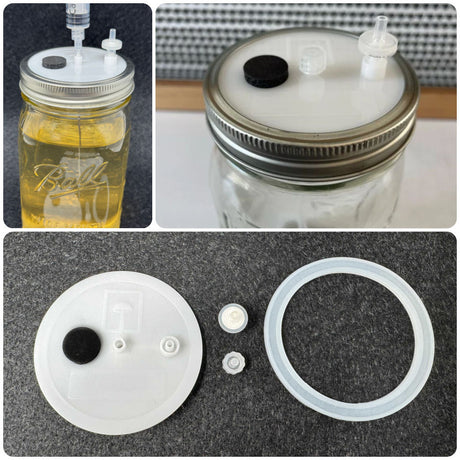
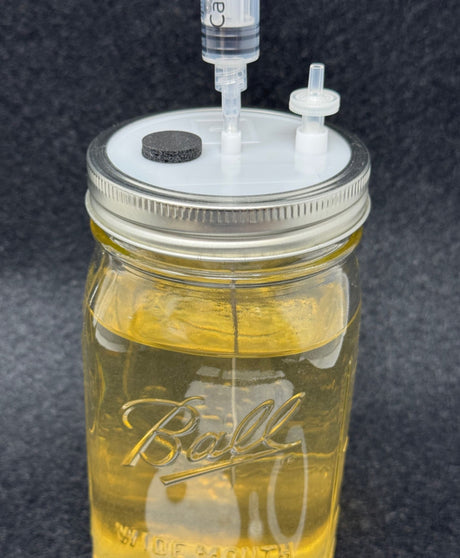
- Myco Lid Pro™ — a reusable, self-healing lid for liquid culture jars, so you can pull from a jar repeatedly without opening it.
- Mold Isolation Polymer — locks down a contaminated container so you can move it out of your space without releasing a spore cloud on the way to the bin.
Where to start if you are buying one thing
A Still Air Box, every time. It costs less than most single grow kits and it addresses the stage where the overwhelming majority of contamination actually enters. Add a portable UV-C sterilizer and a bottle of denatured alcohol and you have covered the fundamentals for under fifty dollars.
Already contaminated? Prevention is this collection's job, but identification is a different problem. Our Contamination Identification & Response Playbook walks through what green, black, pink, and slimy actually mean — and what to do about each.
Frequently Asked Questions About Clean Room Supplies
What is a still air box and do I really need one?
A still air box (SAB) is an enclosed chamber with arm holes that you work inside of. By keeping the air completely motionless, airborne spores and bacteria settle out instead of circulating onto your open agar plates, grain jars, or substrate. You do not strictly need one — simple tasks like injecting a sealed grow bag through its port are fine in a clean room with basic sanitation. But the moment you open a container (agar work, grain-to-grain transfers, liquid culture), a SAB dramatically cuts your contamination rate. It is the highest-value purchase in this collection for most home growers.
Do I need a still air box or a laminar flow hood?
A still air box traps motionless air; a laminar flow hood actively pushes HEPA-filtered air across your work surface, blowing contaminants away from you. The SAB is far cheaper and works well for occasional agar and culture work. A flow hood is faster, lets you work with both hands freely, and becomes worth it once you are running volume or working with plates regularly. Start with a SAB; upgrade when the SAB starts slowing you down.
Does UV-C light actually prevent contamination?
Yes, on exposed surfaces. UV-C damages the DNA of bacteria and mold spores it directly reaches. The limitation is line of sight — it does nothing to shadowed areas, undersides, or anything covered. That is why UV-C works best paired with a wipe-down: alcohol or ECO-CLEANSE handles the surfaces UV cannot see. Never expose skin or eyes to UV-C while it is running.
What is a particulate meter for in mushroom growing?
It tells you how many airborne particles are actually in your air, which is otherwise invisible. Practical uses: confirming your still air box or flow hood is genuinely working, finding the dirtiest area of your lab, and verifying that a HEPA filter is still performing rather than quietly failing. If you are losing grows and cannot figure out why, a PM2.5 meter is usually the tool that finds the answer.
Can I reuse syringes and needles?
No. Sterile syringes and needles are single-use. Reusing them is one of the most common causes of contamination we see, and it undoes every other precaution in this collection. A fresh needle costs well under a dollar; a contaminated grow costs weeks. Use a new needle for every inoculation.
What is the minimum I need to work cleanly at home?
A still air box, 70% or denatured alcohol for wiping down surfaces and injection ports, sterile single-use needles, and clean gloves. That covers the fundamentals. A portable UV-C sterilizer is the next addition, and elevated workspace risers after that. You do not need a full lab to grow cleanly — you need to control the air during the few minutes your substrate is exposed.
How do I stop contamination from spreading once I find it?
Do not open a visibly contaminated container in your growing area — opening it releases a spore cloud that will seed everything nearby. Seal it, use Mold Isolation Polymer to lock the contents down, and remove it from the space before disposal. Then wipe the surrounding area with ECO-CLEANSE or alcohol. Our contamination playbook covers identification and response in detail.
Why does CO2 matter if I already have clean air?
CO2 is a fruiting problem, not a sterility problem. Mycelium produces CO2 as it grows, and if it builds up in your fruiting chamber it causes long stems, small caps, and poor pin sets. That is why the CO2 meter belongs in your grow room rather than your lab. It is measuring a different failure mode than everything else in this collection.