


 $9.00 off
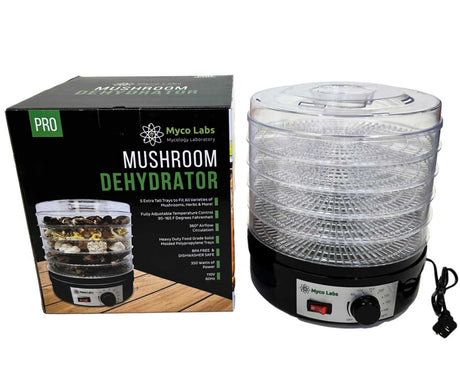
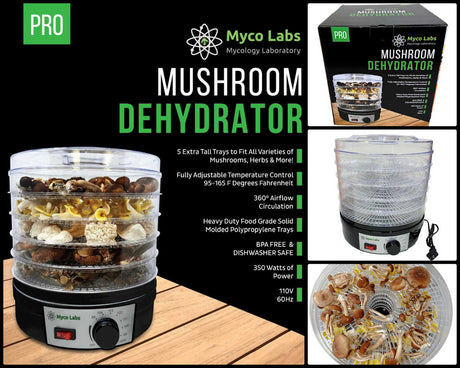
Mycolabs 350W Mushroom Dehydrator With Adjustable Temperature Control
$4599$5499Unit price /Unavailable


 $5.00 off
-
$4.00 off
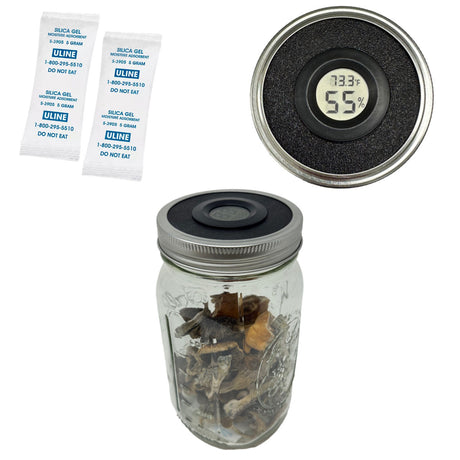
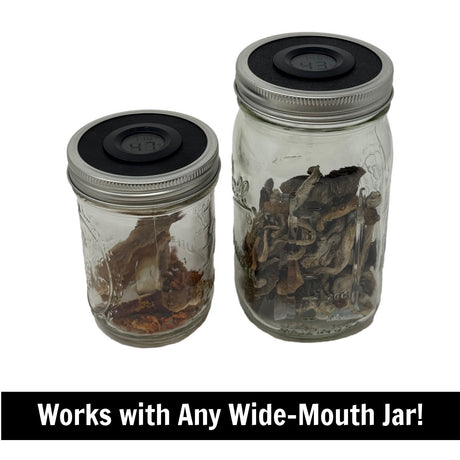
Microppose® Smart Storage Lid – Humidity-Controlled Storage for Mushrooms & Herbs
$1399$1799Unit price /Unavailable 
 $12.00 off

 Sold out
-



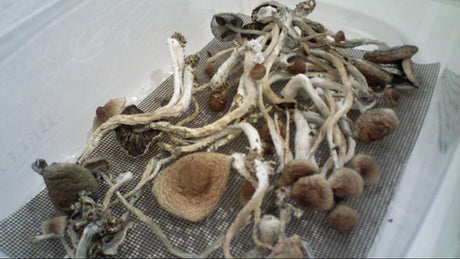
Why Proper Mushroom Drying Matters
Fresh mushrooms contain a large amount of water and can spoil quickly if not dried or stored correctly. Proper drying helps reduce moisture, preserve texture, and improve long-term storage stability after harvest.
Many growers aim for mushrooms to become “cracker dry,” meaning they snap cleanly instead of bending. Residual moisture can increase the risk of spoilage, mold, and reduced shelf life.
Different Ways to Dry Mushrooms
There are several effective methods for drying mushrooms depending on your setup, climate, and batch size.
- Food Dehydrators – One of the fastest and most consistent methods
- Fan Drying – A low-cost option that works well for smaller batches
- Desiccant Drying Kits – Helps remove remaining moisture after air drying
- Silica Storage Systems – Useful for long-term moisture control during storage
Many growers prefer low-temperature drying methods to help preserve texture and overall mushroom quality. :contentReference[oaicite:0]{index=0}
Food Dehydrators for Mushroom Drying
Dehydrators provide controlled airflow and gentle heat to remove moisture more consistently than passive drying methods.
- Faster drying times
- More even airflow
- Better for larger harvests
- Ideal for thick or dense mushrooms
Low and slow drying is commonly recommended to avoid overheating while allowing moisture to escape fully. :contentReference[oaicite:1]{index=1}
Fan Drying & Desiccant Kits
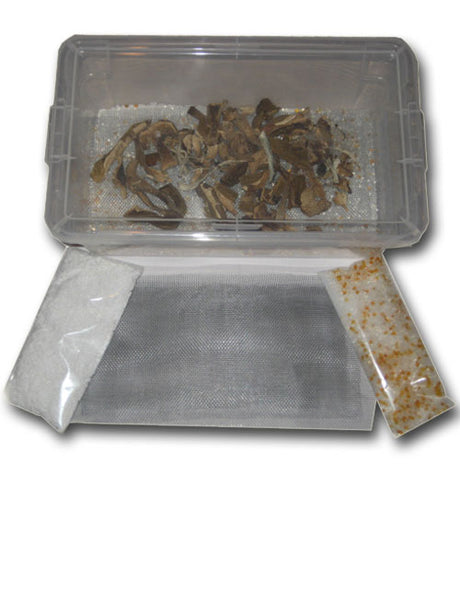
Fan drying is one of the simplest ways to begin drying mushrooms at home. Many growers place mushrooms in front of a fan to slowly remove moisture before transferring them into a desiccant chamber or storage container.
Desiccant drying kits can help pull out the remaining moisture and improve long-term storage performance.
Some growers combine multiple methods, such as fan drying first and finishing with silica or desiccants for optimal dryness. :contentReference[oaicite:2]{index=2}
Silica Canisters & Long-Term Storage
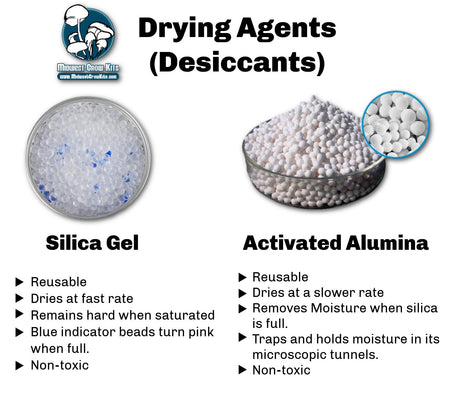
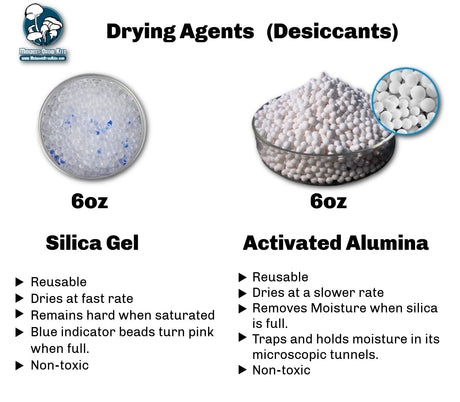
Silica canisters and desiccant packs are commonly used to absorb residual moisture inside jars, bags, and airtight storage containers.
- Helps maintain dry conditions
- Useful for long-term storage
- Can reduce moisture buildup inside containers
- Reusable options available
Many growers store dried mushrooms in airtight jars with desiccants in a cool, dark environment for longer-term preservation. :contentReference[oaicite:3]{index=3}
How to Tell if Mushrooms Are Fully Dry
Properly dried mushrooms should feel crisp and snap cleanly when bent. If mushrooms still bend or feel soft, additional drying time is usually needed.
Large mushrooms may require longer drying times than smaller fruits because moisture can remain trapped inside thicker stems and caps.
Recommended Drying Workflow
- Harvest mushrooms at peak maturity
- Remove excess surface moisture
- Use a fan or dehydrator for initial drying
- Finish drying with desiccant or silica if needed
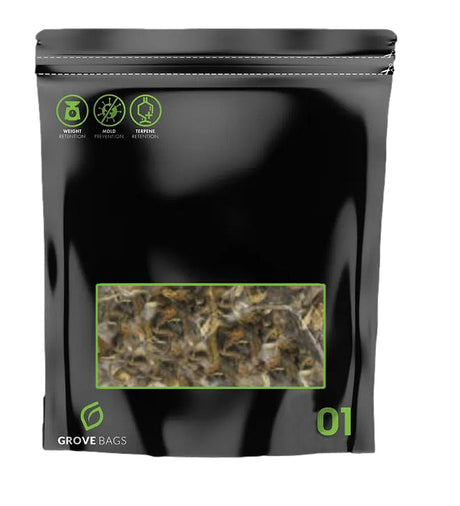
- Store in airtight containers with moisture control packs
For larger harvests, many growers prefer dehydrators because they offer more consistent drying across multiple trays.
Learn More About Mushroom Drying
Want a deeper breakdown of drying methods, temperatures, storage tips, and moisture control strategies?
Read our complete mushroom drying guide →
Frequently Asked Questions
What is the best way to dry mushrooms?
Many growers prefer food dehydrators because they provide controlled airflow and consistent drying temperatures.
Can I dry mushrooms with only a fan?
Yes. Fan drying can work well for smaller batches, especially when combined with desiccants afterward.
What temperature should mushrooms be dried at?
Many growers prefer low-temperature drying methods to avoid overheating while still removing moisture effectively. :contentReference[oaicite:4]{index=4}
How should dried mushrooms be stored?
Dried mushrooms are commonly stored in airtight jars or bags with silica packs or desiccants in a cool, dark location.
Preserve Your Harvest Properly
Proper drying and storage help reduce waste, improve shelf life, and protect harvested mushrooms from moisture-related spoilage. Whether you're using dehydrators, fan drying systems, or silica storage solutions, maintaining low moisture is one of the most important parts of post-harvest mushroom preservation.