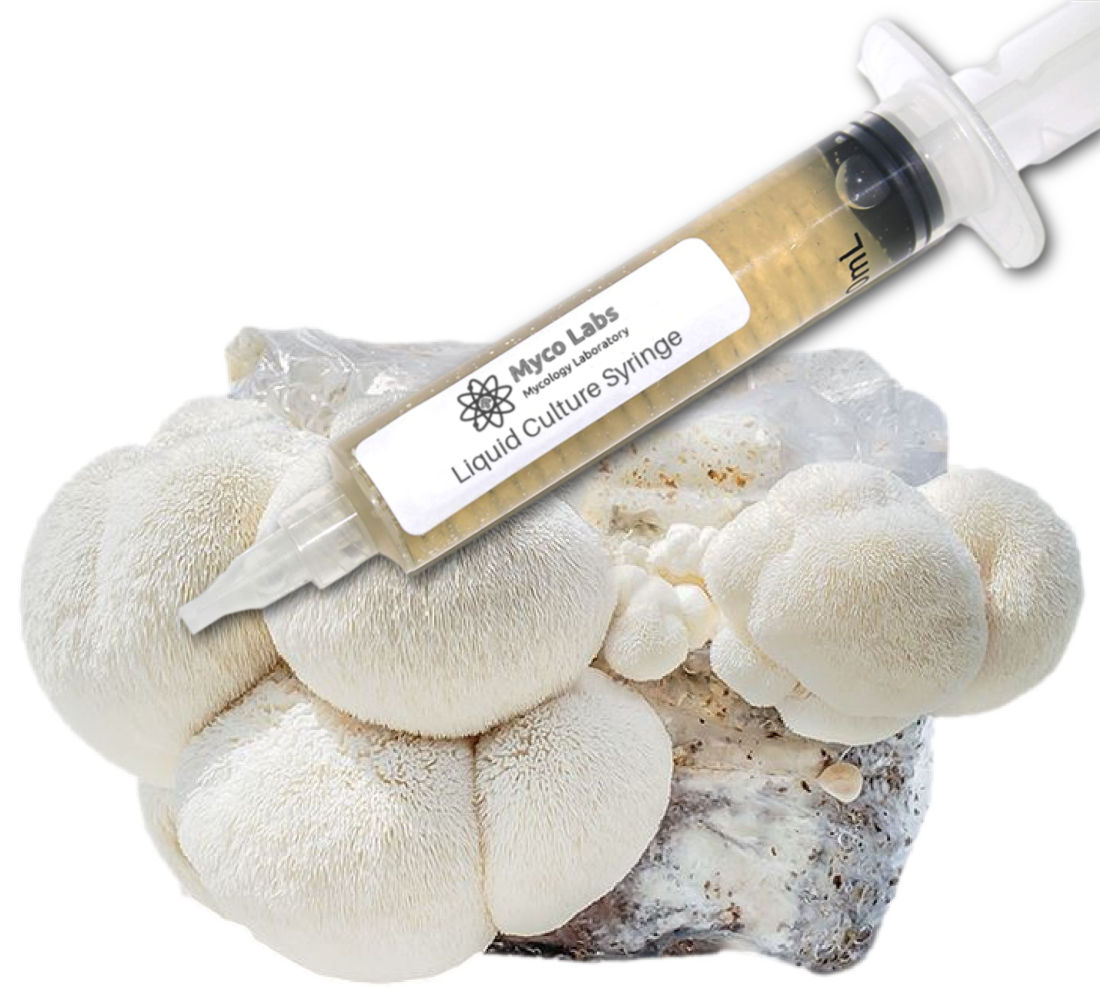
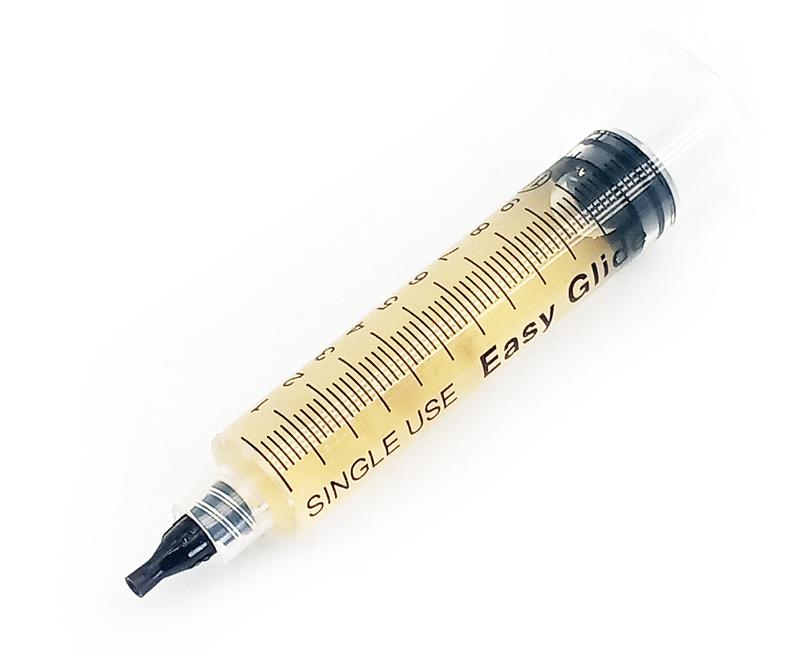
Lion's Mane Liquid Culture Syringe (10cc)
Lion's Mane Liquid Culture Syringe (10cc) is backordered and will ship as soon as it is back in stock.
Couldn't load pickup availability

Description
Description
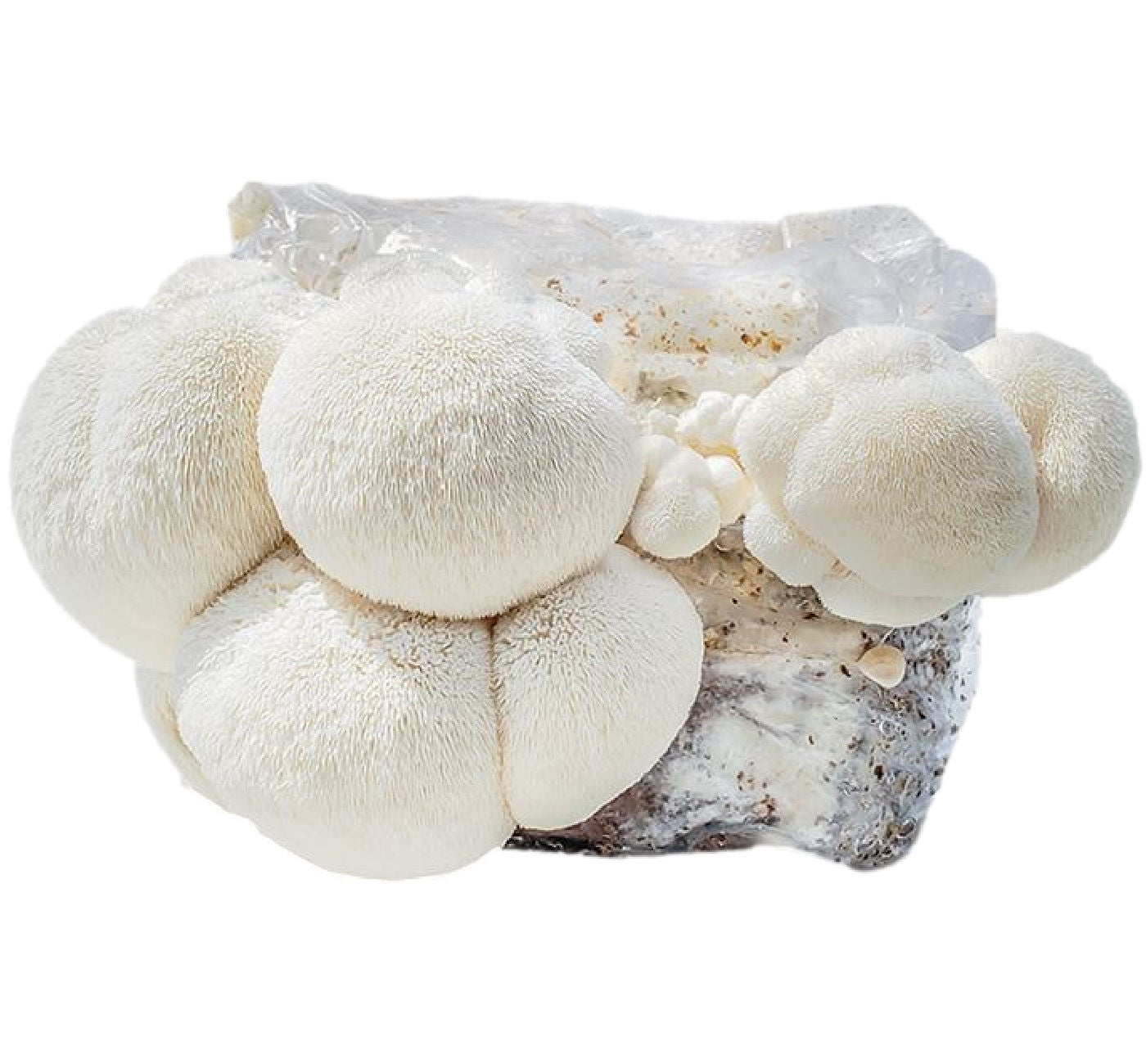
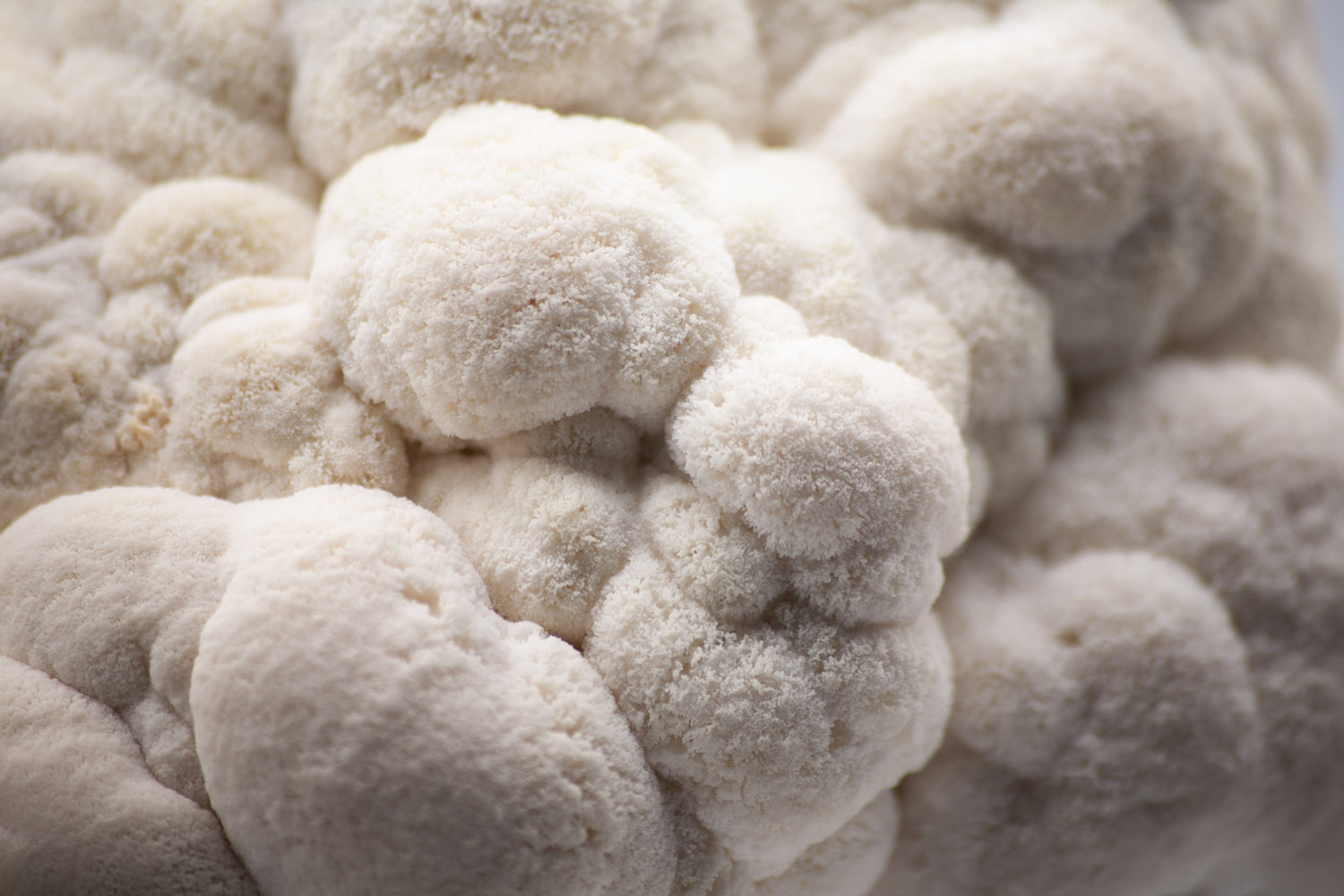
Lion's Mane Liquid Culture Syringe (10cc) — Hericium erinaceus, first-generation (G1) isolated genetics from Myco Labs. Lion's Mane is the most recognizable of the tooth fungi, forming shaggy white globes of cascading spines rather than a conventional cap and stem. Our isolate runs aggressively and produces large, full-bodied fruits with dense spine development.
- SpeciesH. erinaceus
- Volume10cc
- GeneticsG1 Isolated
- DifficultyBeginner
- Colonization~10 Days
Why Growers Choose Lion's Mane
Lion's Mane is one of the few gourmet species that is both genuinely easy to colonize and visually spectacular to fruit. The mycelium moves fast — roughly ten days on grain — and it tolerates an unusually wide fruiting window of 50 to 75°F, which means you can run it year-round in most home grow spaces without precise climate control.
In the kitchen it is prized for a texture closer to crab or lobster than to a typical mushroom, holding together well when seared in slabs. It is also one of the most heavily researched functional mushrooms in cultivation, which keeps demand steady among growers producing for tincture and powder rather than the table.
The one thing Lion's Mane will not tolerate is straw. It is a hardwood specialist, and supplemented hardwood sawdust or Master's Mix is where you will see the difference between a modest fruit and a grapefruit-sized one.
What's In the Package
- One 10cc liquid culture syringe, sealed and lab-tested
- 16-gauge 1.5" luer lock needle
- Sterile alcohol prep pad
Lion's Mane Growing Specifications
| Specification | Details |
|---|---|
| Scientific Name | Hericium erinaceus |
| Genetics | First-generation (G1) isolated culture |
| Recommended Substrates | Supplemented hardwood sawdust, Master's Mix, hardwood logs |
| Incubation Temperature | 70–75°F |
| Incubation Humidity | 82–85% |
| Colonization Time | ~10 days |
| Fruiting Temperature | 50–75°F |
| Fruiting Humidity | 90–93% |
| Time to Harvest | ~14 days after fruiting conditions begin |
| Fresh Air Exchange | Moderate — 3–5 exchanges per hour |
| Syringe Volume | 10cc |
| Storage | Refrigerate at 35–45°F; do not freeze |
How to Use Your Liquid Culture Syringe
- Let the syringe come to room temperature, then shake gently to redistribute the mycelium evenly through the broth.
- Flame-sterilize the needle until it glows orange and let it cool for a few seconds.
- Wipe the injection port on your grain spawn bag or jar with the alcohol prep pad.
- Inject 2–3cc per quart jar, or 3–5cc per 3–5 lb spawn bag. One 10cc syringe inoculates roughly 2–4 containers.
- Incubate at 70–75°F in the dark for about ten days, shaking once at roughly 30% colonization to redistribute growth.
- Spawn to supplemented hardwood sawdust or Master's Mix, then cut a single slit in the block and let the fruit form from that one point.
Frequently Asked Questions
How much liquid culture do I use per bag or jar?
Use 2–3cc per quart grain jar and 3–5cc per 3–5 lb spawn bag. A single 10cc Lion's Mane syringe will inoculate roughly two to four containers. Adding more than the recommended dose does not speed colonization meaningfully and simply uses up the syringe faster.
How long does Lion's Mane take to colonize grain?
Roughly ten days at 70–75°F, which makes it one of the faster gourmet cultures we carry. Shaking the jar or bag once at about 30% colonization redistributes the mycelium and can bring that down to seven or eight days.
What is the best substrate for Lion's Mane?
Supplemented hardwood sawdust or Master's Mix. Lion's Mane is a hardwood specialist and performs poorly on straw, unlike oyster species. Master's Mix — typically hardwood sawdust with soy hull supplementation — produces the largest and densest fruits. Hardwood logs also work well for outdoor growers, though fruiting takes considerably longer.
Why is my Lion's Mane growing as a smooth ball with no spines?
That is almost always insufficient fresh air exchange. Lion's Mane forms a smooth, coral-like mass when carbon dioxide accumulates around the fruit, and only develops its characteristic hanging spines once FAE is adequate. Increase air exchange to three to five times per hour while keeping humidity at 90–93% and the spines will begin to differentiate.
Do I need a flow hood or still air box to use liquid culture?
A still air box is strongly recommended and a laminar flow hood is better still. Liquid culture syringes ship sealed and lab-tested, but the moment you pierce an injection port you are exposing your grain to whatever is in the room air. Working in still air with flame-sterilized tools dramatically improves your success rate.
How should I store the syringe before use?
Keep it refrigerated between 35 and 45°F and never freeze it — freezing ruptures the cell walls and kills the culture. Store it in the sealed bag it shipped in, away from strong odors. Bring it back to room temperature and shake gently before injecting.
Is liquid culture better than a spore syringe?
For a known gourmet strain, yes. Liquid culture contains living mycelium from an isolated culture, so it colonizes several days faster than spores and produces genetically consistent fruits every time. Spores must germinate and mate first, which is slower and gives variable results from one grow to the next.
Packed to Arrive Alive
A liquid culture syringe is living mycelium, and the trip from our Illinois lab to your door is the part of its life you have the least control over. That is why every Myco Labs liquid culture ships inside a foil-lined insulated mailer rather than a plain envelope. The insulation buffers the syringe against summer heat sitting in a delivery truck and against sub-freezing temperatures in winter, so your culture arrives viable in either extreme.

When it arrives: move the syringe to the refrigerator at 35–45°F until you are ready to inoculate. Never freeze it. Bring it back to room temperature and shake gently before use.
Sold as a mycological culture for cultivation purposes. Lion's Mane is the subject of ongoing scientific research, but nothing on this page is intended to diagnose, treat, cure, or prevent any disease.
Our Growing Experts Recommend
Products our growers commonly use with this item