


-
-

-
-
-

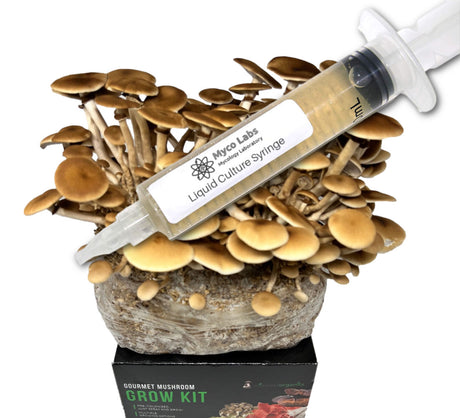
ABM Mushroom Liquid Culture Syringe (10cc)
$1250Unit price /Unavailable -


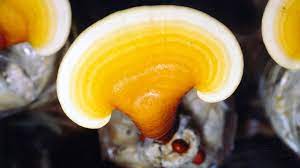
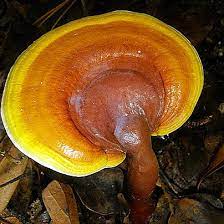
Yellow Reishi Liquid Culture Syringe (10cc)
$1250Unit price /Unavailable-
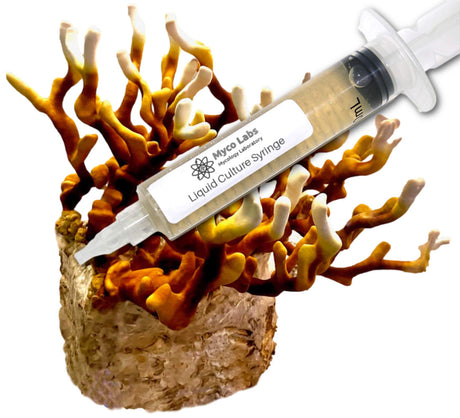
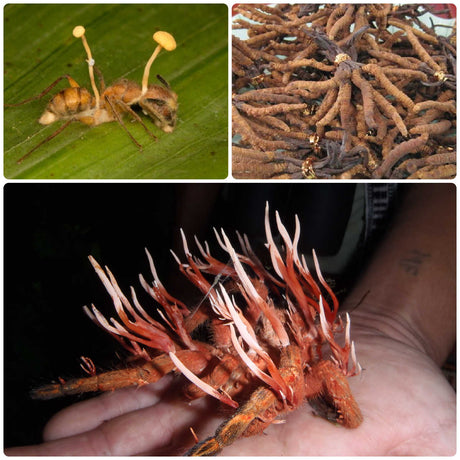
Cordyceps Ophiocordyceps Unilateralis Liquid Culture Syringe The Zombie Insect Killer (10cc)
$1800Unit price /Unavailable 
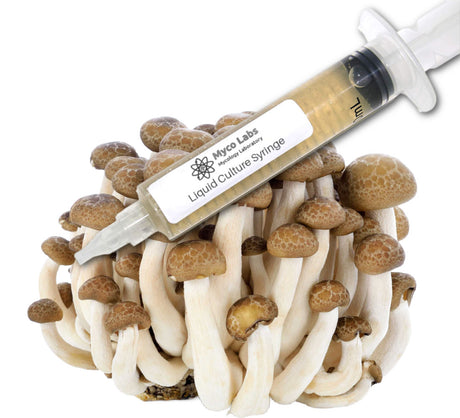
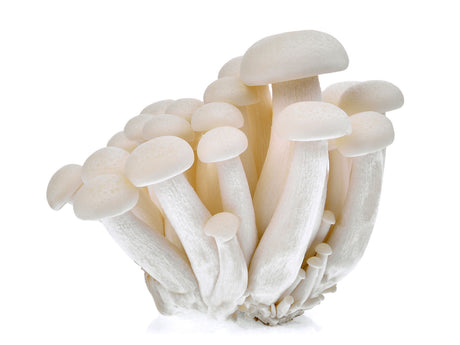
White Beech Shimeji Liquid Culture Syringe (10cc)
$1250Unit price /Unavailable






How to Choose the Right Liquid Culture Syringe
The right liquid culture depends on what you want to grow — gourmet for the kitchen, fast colonizers for big yields, or specialty species for advanced cultivation. Here's how to pick.
Why our LC syringes are different
Not all liquid culture is created equal. Many syringes sold online are made from spore germinations or unverified cultures, which can mean inconsistent growth, slow colonization, or contamination right out of the package.
Midwest Grow Kits liquid culture is made differently:
- Isolated commercial-quality strains — the same proven cultures we use in our own grow kits, not random spore germinations
- First generation — taken directly from the original isolated culture, not subcultured down through multiple generations where vigor drops off
- Lab-tested for purity before it ships
- Made in-house at Myco Labs — we control the entire process, every batch
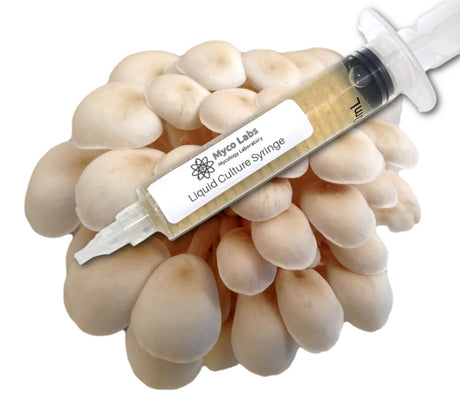
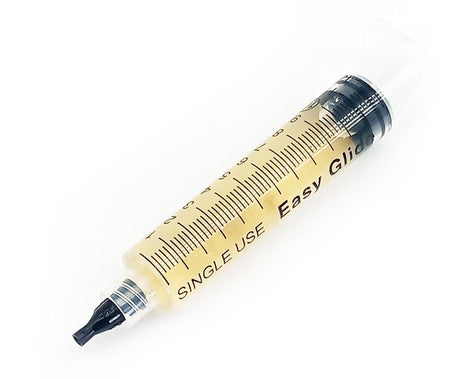
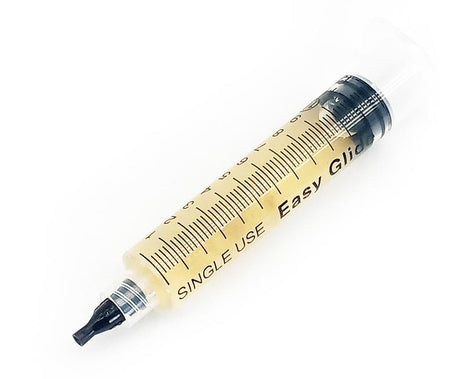
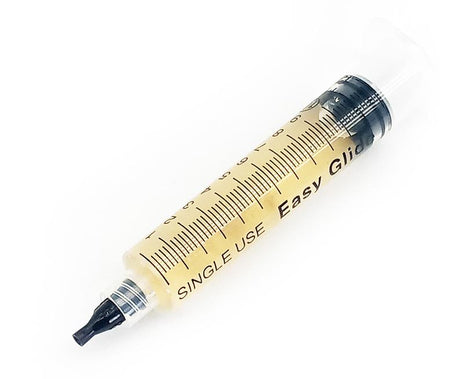
- Visible mycelium in every 10cc barrel — you can see the living culture before you inject
Best LC syringes for beginners
If this is your first grow, pick a species that's forgiving, colonizes quickly, and produces well in beginner setups like all-in-one bags or small monotubs.
Blue Oyster — One of the fastest and most aggressive colonizers. Tolerant of less-than-perfect conditions, produces large flushes, and is one of the easiest gourmet mushrooms to grow indoors. A great first species. Blue Oyster Liquid Culture Syringe (10cc) →
Lion's Mane — Our most popular gourmet variety. Distinctive shaggy white fruiting bodies, mild seafood-like flavor, and well-studied medicinal properties. A wood-loving species — pair it with a wood-loving substrate. Lion's Mane Liquid Culture Syringe (10cc) →
Best LC for monotub bulk growing
Pioppino (Black Poplar) — A culinary favorite in Italian cuisine, rich earthy flavor, dense texture, and an exceptional performer in monotubs. If you've moved past your first grow and want a delicious mushroom that produces well in bulk, this is the pick. Pioppino Liquid Culture Syringe (10cc) →
Match the species to the substrate
This is the single most common beginner mistake. Different mushroom species eat different substrates, and the wrong match means slow or failed growth:
- Wood-loving species (lion's mane, shiitake, oyster varieties, king trumpet, reishi) — need a hardwood-based substrate. Pair with wood-loving all-in-one bags or wood-based bulk substrate.
- Manure-loving species (most common cultivated mushrooms outside the wood-lovers) — need a CVG and manure-based substrate. Pair with manure-loving all-in-one bags or CVG-based bulk substrate.
- Pioppino — adapts to both but performs best in wood-supplemented bulk substrate.
How to use a liquid culture syringe
- Shake the syringe gently to evenly distribute mycelium
- Sanitize the needle by flaming until red-hot, then let it cool
- Wipe the injection port (on a bag or jar) with 70% isopropyl alcohol
- Inject 1–2cc into each grain jar, or 3–5cc into an all-in-one bag
- Incubate at 70–75°F until fully colonized (typically 10–21 days)
One 10cc syringe inoculates roughly 4–6 grain jars or 2–3 all-in-one bags.
Frequently Asked Questions About Liquid Culture Syringes
What is a liquid culture syringe?
A liquid culture (LC) syringe contains living mushroom mycelium suspended in a sterile nutrient solution. Instead of waiting for spores to germinate, you're injecting an already-active culture directly into your substrate. This dramatically speeds up colonization and reduces contamination risk compared to spore-based methods.
How is liquid culture different from a spore syringe?
A spore syringe contains mushroom spores in sterile water — those spores still need to germinate before they can colonize substrate, which takes extra time and is more vulnerable to contamination. A liquid culture syringe contains living mycelium that's already growing, so it gets to work immediately. For a full comparison, read our Liquid Culture vs Spore Syringe guide.
How long does a liquid culture syringe last?
Stored properly (refrigerated, sealed, kept out of light), our liquid culture syringes remain viable for 6–12 months. For best results, use within 90 days of receipt — mycelium vigor is highest when the culture is fresh.
How much liquid culture should I inject?
For grain jars, inject 1–2cc per quart jar. For all-in-one bags, inject 3–5cc through the self-healing port. A standard 10cc syringe will inoculate roughly 4–6 grain jars or 2–3 all-in-one bags.
What makes Midwest's liquid culture different?
Our liquid culture is made in-house at Myco Labs using isolated, first-generation commercial-quality strains — the same cultures we use in our own grow kits. Every batch is lab-tested for purity, and you can see the living mycelium in the clear barrel of every syringe.
Will my liquid culture syringe arrive looking cloudy or with floating mycelium?
Yes — that's exactly what you want to see. Cloudiness and visible white mycelium chunks floating in the syringe indicate a healthy, actively growing culture. A perfectly clear syringe means there's nothing alive in it yet.
Do I need a still air box or flow hood to use a liquid culture syringe?
Not strictly required for injecting into sealed substrate (grain jars with self-healing injection ports or all-in-one bags) — basic sanitation with 70% isopropyl alcohol is usually enough. A still air box or flow hood reduces contamination risk for more advanced work.
What's the best species for a beginner?
Blue oyster is the fastest and most forgiving — great if you want quick results. Lion's mane is also beginner-friendly and our most popular variety. Both colonize quickly and produce reliably, even in less-than-ideal conditions.
What if my liquid culture doesn't seem to be growing after injection?
Give it 7–14 days before worrying — colonization isn't always visible immediately. If you see no growth after two weeks, possible causes include: substrate too cold (under 65°F), substrate too dry, or contamination from a non-sterile injection. If you suspect a problem with the syringe itself, contact us — we stand behind every syringe we ship.