


 $150.00 off
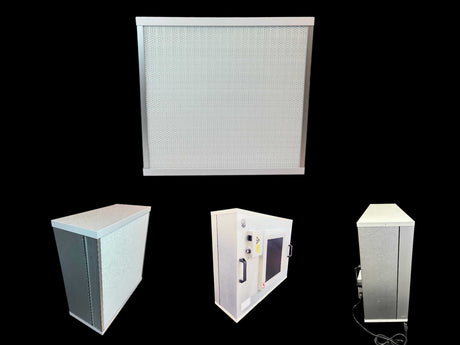
Bonsai 2 x 2 ft 99.99% HEPA Flowhood Fan Filter Unit (FFU) 120V
$54999$69999Unit price /Unavailable-
$50.00 off
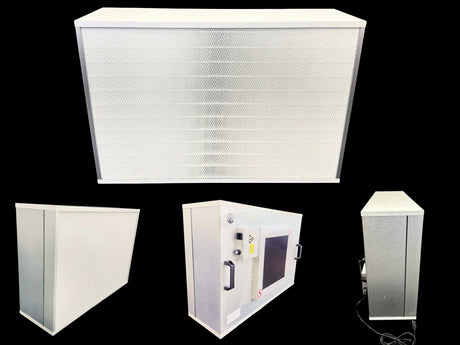
Bonsai 3 x 2 ft 99.99% HEPA Flowhood Fan Filter Unit (FFU) 120V
$84999$89999Unit price /Unavailable -
$149.01 off
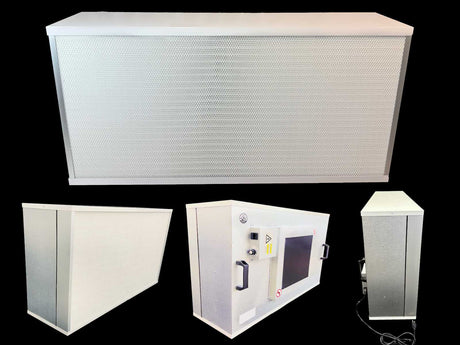
Bonsai 4 x 2 ft 99.99% HEPA Flowhood Fan Filter Unit (FFU) 120V
$1,14999$1,29900Unit price /Unavailable 
Bonsai FFU 99.99% HEPA Replacement Filter for 2'X4' Fan Filter Unit
$49999Unit price /Unavailable
Bonsai FFU 99.99% HEPA Replacement Filter for 3'X2' Fan, Filter Unit
$39999Unit price /Unavailable-
Bonsai FFU 99.99% HEPA Replacement Filter for 2'X2' Fan, Filter Unit
$19900Unit price /Unavailable  Sold out$50.00 off
Myco Labs 23" X 23" 99.99% HEPA Flowhood Fan Filter Unit (FFU) 120V
$44999$49999Unit price /Unavailable-
Myco Labs REPLACEMENT HEPA Filter for 23" x 23" Fan, Filter Unit (FFU)
$17900Unit price /Unavailable



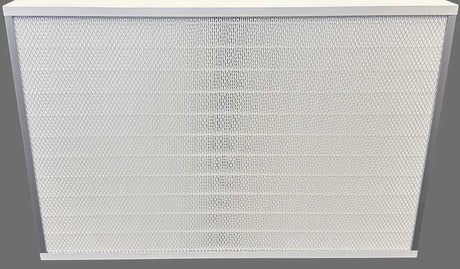


Using an FFU as a Flow Hood
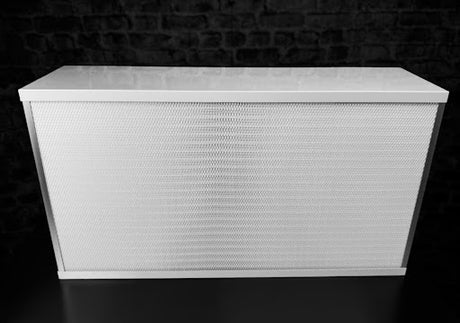
Most growers buy a fan filter unit to use as an affordable flow hood — and for the majority of home cultivation, that's exactly what it does. Position the FFU so the filtered air blows across your work surface, and you have a stream of HEPA-clean air to inoculate jars, pour and work agar, do transfers, and handle any task that needs a sterile field.
The honest tradeoff versus a full laminar flow hood comes down to three things:
- Budget. An FFU costs significantly less than a full laminar flow hood cabinet. If you want clean working air at the lowest price, the FFU is the answer.
- Space. A laminar flow hood is a full cabinet that takes up considerable bench or floor space. An FFU is just the filter-and-fan module, so it's far more compact and can be mounted or set up in tighter spaces.
- Working area. With an FFU, the air is cleanest and most even across the center of the filter face and becomes turbulent near the edges — so you work toward the middle. A full laminar flow hood delivers even, parallel airflow across the entire filter surface, letting you use the full work area right to the edges. For high-volume or edge-to-edge agar work, that matters; for typical home grows, working toward the center is no real limitation.
For a deeper breakdown, watch or read our Laminar Flow Hood vs FFU comparison — we built and tested both to show exactly where each one shines.
Choosing Your FFU Size
All three Bonsai FFUs share the same build quality and H14 filtration. Pick your size based on how much working area you need and the space you have available.
2'×2' FFU — Compact & Affordable
Best for: Most home growers, small spaces, and anyone who wants clean working air at the lowest entry price.
The 2'×2' is our most popular FFU. Enough working area for jar inoculation, all-in-one bag work, and basic agar, in the smallest and most affordable footprint. The default choice for a first sterile-air setup.
3'×2' FFU — The Versatile Middle
Best for: Growers who want more working area for agar plates and multi-jar sessions without going to full size.
The 3'×2' gives you noticeably more clean working area than the 2'×2', which means more room to lay out agar plates and work through a full inoculation session. A good middle ground for growers doing more than occasional work.
4'×2' FFU — Maximum Working Area
Best for: Serious hobbyists, high-volume growers, clean room builds, and room pressurization.
The 4'×2' is our largest FFU, delivering the most clean working area and the most airflow. It's the right choice for extensive agar work, high-volume inoculation, or installations where you're using the unit to pressurize a clean room or grow space with filtered air.
What sets Bonsai FFUs apart
Most FFUs on the market are built to a price, with cheap components that cut corners where it matters. Every Bonsai FFU is built with upgrades you won't find on standard units:
- Upgraded aluminum centrifugal fan. A durable backward-curved aluminum blower wheel, instead of the cheap plastic fans found in most competing FFUs.
- Heavy-duty 20-gauge powder-coated aluminum housing. A custom white powder-coated frame built for long-term durability and a professional clean room appearance.
- Magnetic washable electrostatic pre-filter. A reusable magnetic pre-filter that extends HEPA filter life and never needs replacement under normal use.
- True H14 HEPA filtration. Certified 99.995% filtration efficiency at 0.3 microns — ISO Class 5 / Class 100 clean-air performance. One full step above the H13 filters in most consumer FFUs.
- Optimized laminar airflow. Designed specifically for sterile laboratory and mycology applications that need clean, even airflow across the working area.
- Extended 18-month warranty. An industry-leading warranty for long-term peace of mind.
Other uses beyond inoculation
While most growers use FFUs as flow hoods, they're equally at home in other clean-air roles:
- Clean room builds. Mount an FFU in a ceiling or wall to flood a dedicated work room with HEPA-filtered air, creating positive pressure that keeps contaminants out.
- DIY flow hood projects. The FFU is the heart of any DIY laminar flow hood build — add a cabinet and proper air distribution and you've got a custom hood.
- Grow space pressurization. Larger FFUs can keep a fruiting or lab space under positive pressure to reduce airborne contamination.
Replacement filters
HEPA filters are consumables that gradually load with particulates over time. Replacement H14 HEPA filters sized for each Bonsai FFU are available right in this collection — keeping a spare on hand means you're never down waiting for an order when it's time to swap. The washable magnetic pre-filter extends the life of the main HEPA filter, so under normal use you'll replace filters less often than with a standard FFU.
Quick decision tree
- Want an affordable flow hood for typical home grows? 2'×2' FFU.
- Doing more agar work and want more room? 3'×2' FFU.
- High-volume work, clean room, or room pressurization? 4'×2' FFU.
- Want to work edge-to-edge with even airflow across the full surface? Step up to a full laminar flow hood.
Frequently Asked Questions About Fan Filter Units
Can I use a fan filter unit as a flow hood?
Yes. Most growers use FFUs exactly this way, and for the majority of home cultivation it works well. The FFU delivers HEPA-filtered air across your work surface for inoculation, agar work, and transfers. The one practical note: the air is cleanest and most even across the center of the filter face and gets turbulent near the edges, so you work toward the middle rather than right at the edges.
What is the difference between an FFU and a laminar flow hood?
Both deliver HEPA-filtered air. A full laminar flow hood produces smooth, parallel airflow across the entire filter surface, letting you work edge to edge. An FFU delivers clean air that becomes turbulent near the edges, so you work toward the center. The decision comes down to three things: budget (FFUs cost less), space (FFUs are far more compact), and the type of work you do (edge-to-edge high-volume agar work favors a full hood). For most home growers, an FFU is all they need. See our full comparison.
What size FFU should I buy?
The 2'×2' is our most popular and covers typical home cultivation (jar inoculation, bag work, basic agar) at the lowest price. The 3'×2' gives you more room for agar plates and longer sessions. The 4'×2' offers the most working area and airflow, ideal for high-volume work, clean room builds, or pressurizing a space. Match the size to your working area needs and the space you have available.
What is an H14 HEPA filter, and why does it matter?
H14 is the HEPA classification for filters that capture 99.995% of particles at 0.3 microns — ISO Class 5 / Class 100 clean-air performance. It's one efficiency step above the H13 (99.95%) found in most consumer FFUs. For mushroom cultivation, the extra efficiency matters because mold spores fall right in the size range where H14 outperforms H13. Every Bonsai FFU uses true H14 filtration as standard.
What makes Bonsai FFUs better than cheaper units?
Bonsai FFUs are built with upgrades most units skip: an aluminum centrifugal fan (instead of cheap plastic), a heavy-duty 20-gauge powder-coated aluminum housing, a washable magnetic electrostatic pre-filter that extends HEPA life, true H14 filtration, and an 18-month warranty. These are the differences between a unit built to a price and one built to last.
What is the magnetic pre-filter for?
The washable electrostatic pre-filter catches larger particles before they reach the HEPA filter, which extends the life of the more expensive HEPA filter significantly. It's reusable — just remove it, wash it, and put it back. Under normal use it never needs replacement, unlike disposable pre-filters on standard units.
How long do the HEPA filters last?
It depends on how often you use the unit and how clean your environment is. Typical home use runs 12 to 24 months; heavy or commercial use runs 6 to 12 months. The washable magnetic pre-filter extends HEPA life by catching larger particles first. Replacement H14 filters for every Bonsai FFU size are available in this collection.
Can I build a clean room with an FFU?
Yes. Mounting an FFU in a ceiling or wall floods a dedicated room with HEPA-filtered air and creates positive pressure that keeps contaminants out. The larger 4'×2' unit is best suited to this, as it moves the most air. Many serious growers build a small clean room around an FFU as an alternative to (or alongside) a flow hood.
Do these run on standard household power?
Yes. Every Bonsai FFU runs on standard 120V household power — no special wiring or outlets required. Just plug it in.
How loud is an FFU?
Bonsai FFUs produce a steady fan hum during operation, comparable to a window AC unit. The larger units move more air and are slightly louder than the 2'×2'. The sound is consistent and not disruptive for most users working at the unit.